Kom El Shoqafa
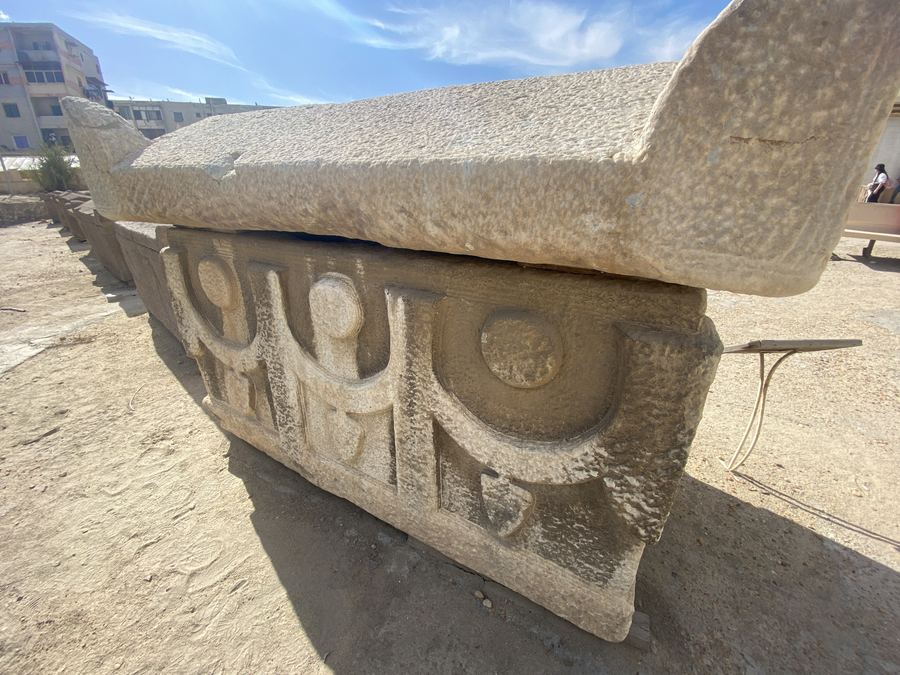
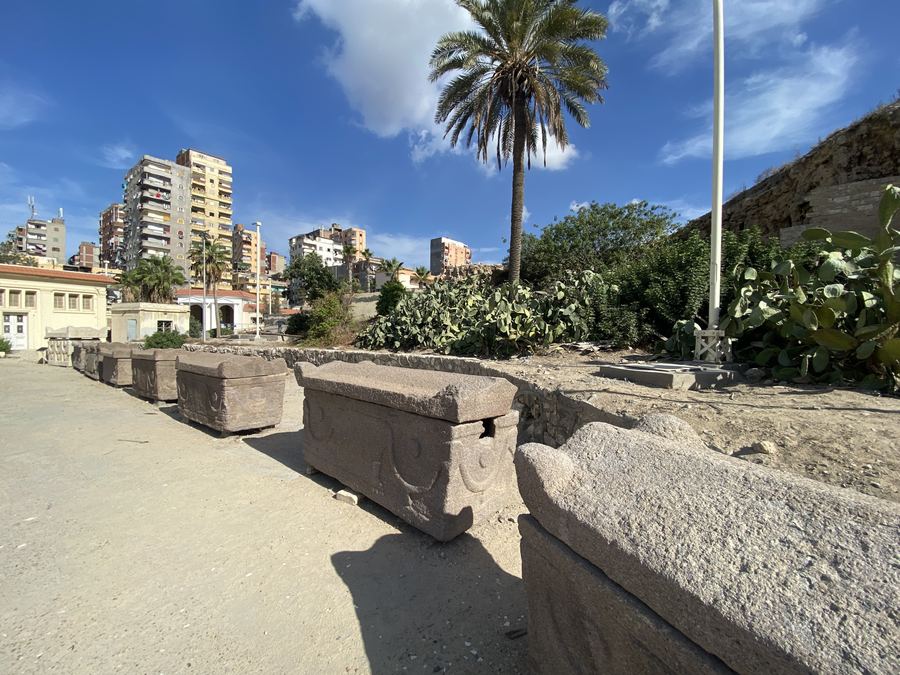
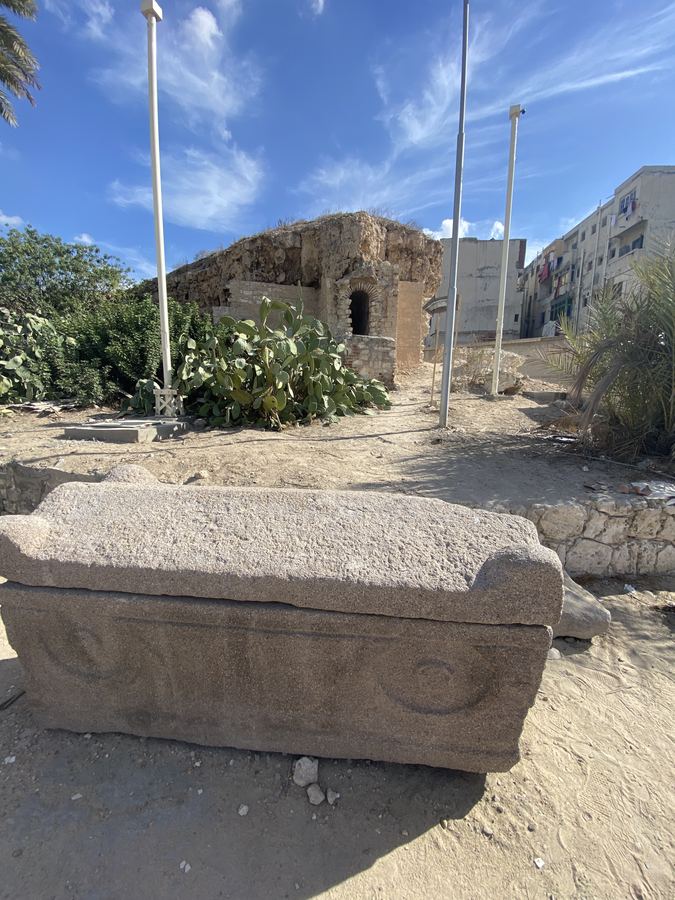
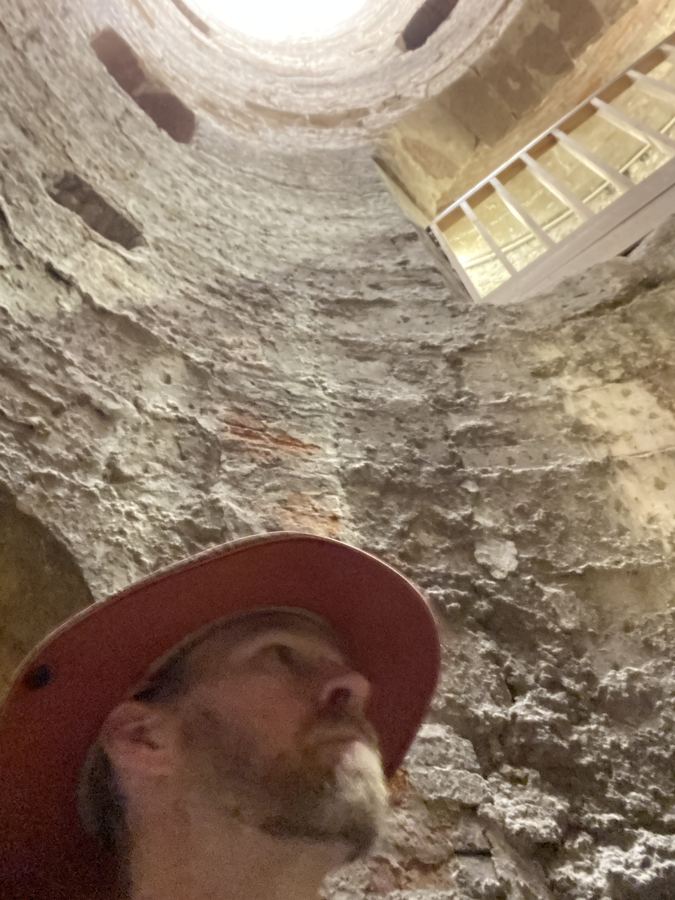
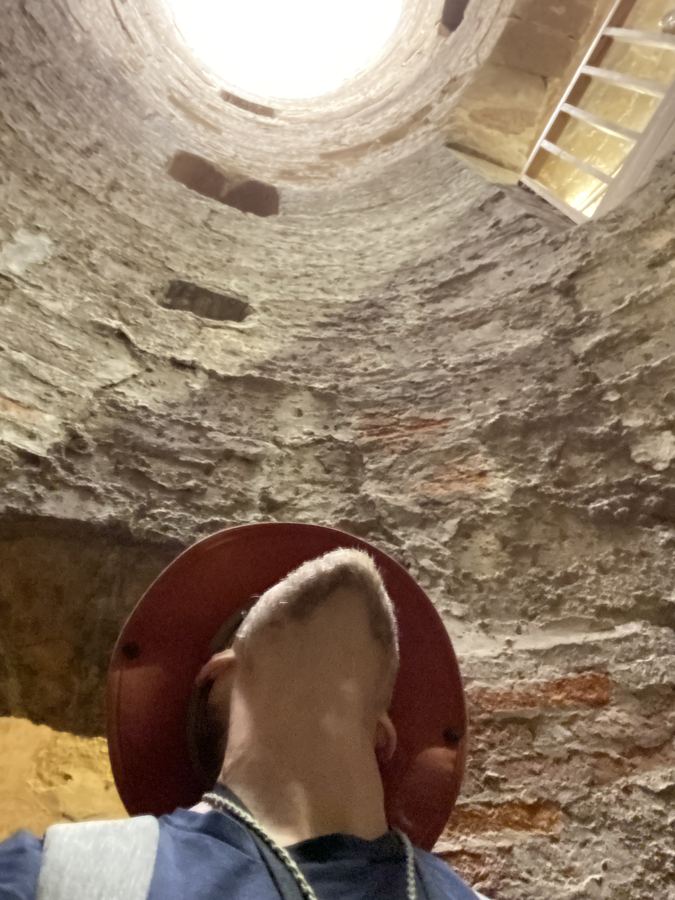
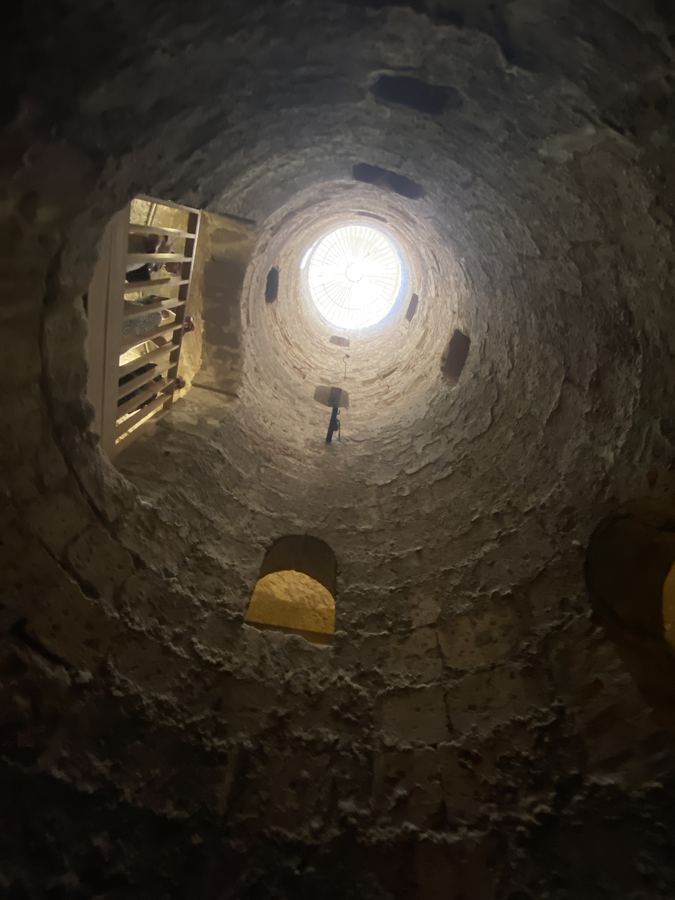
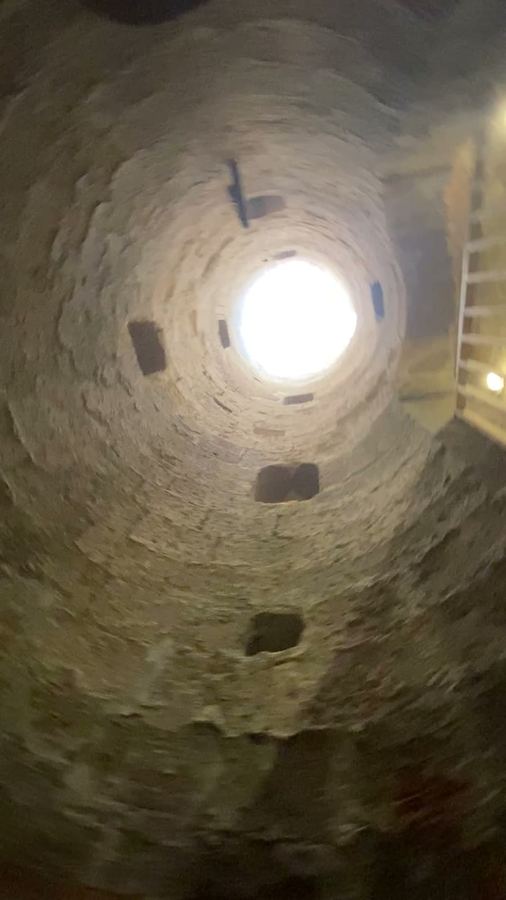
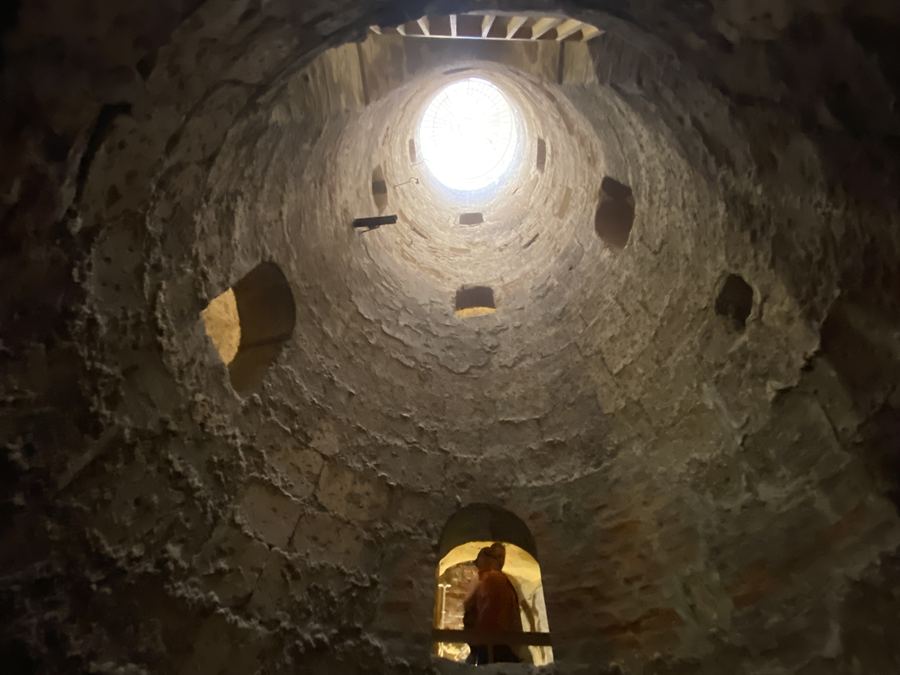
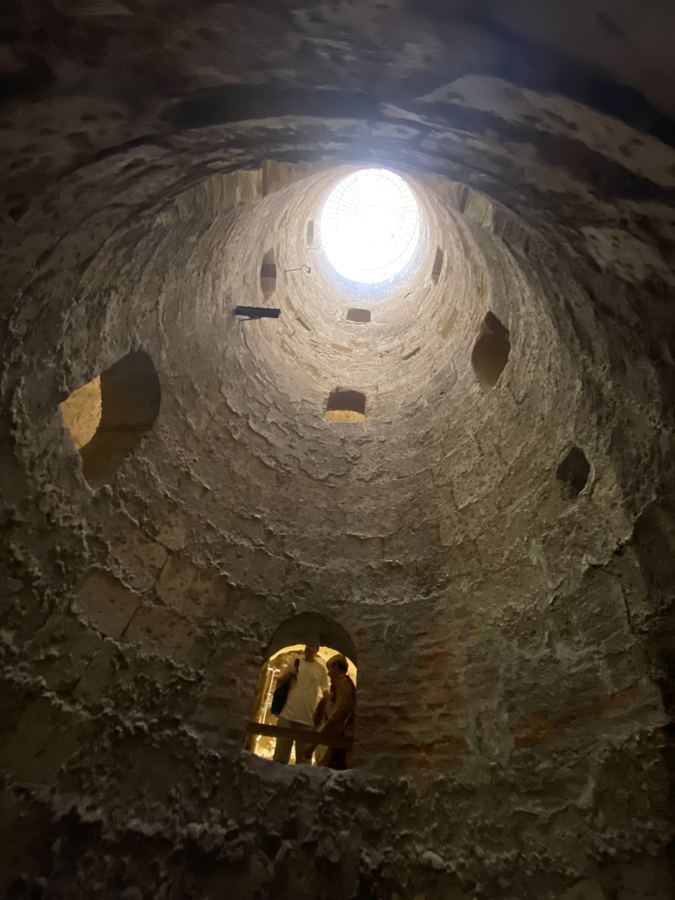
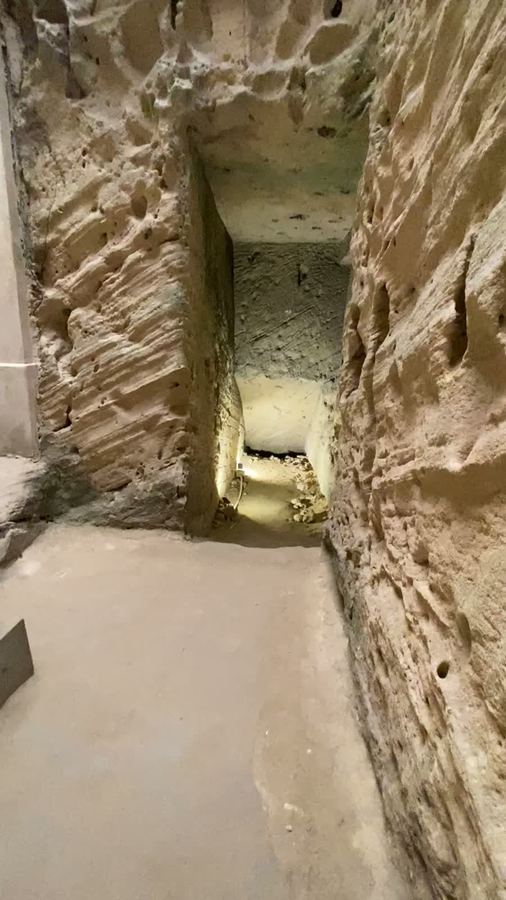
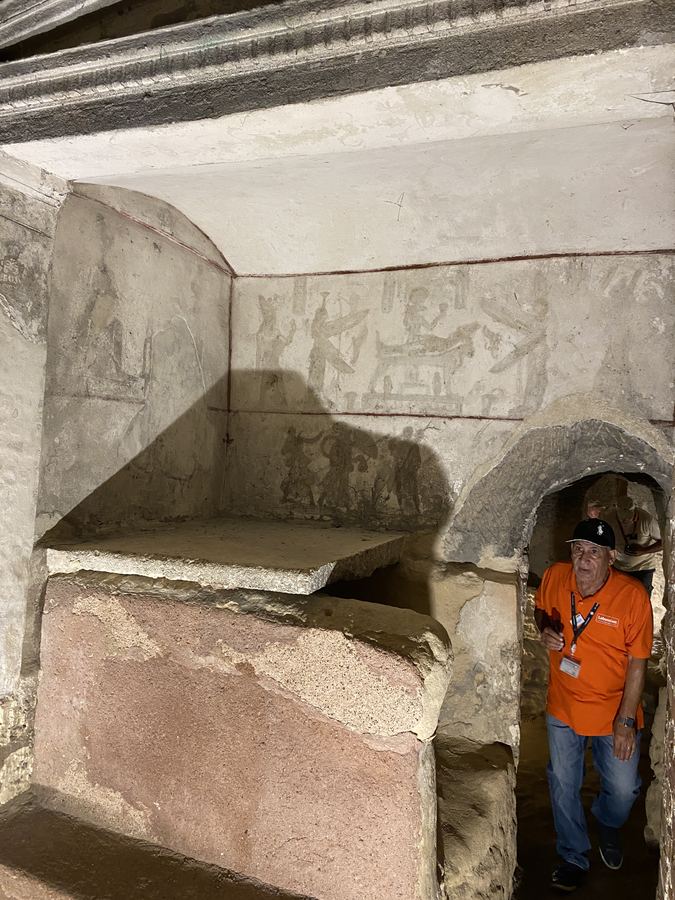
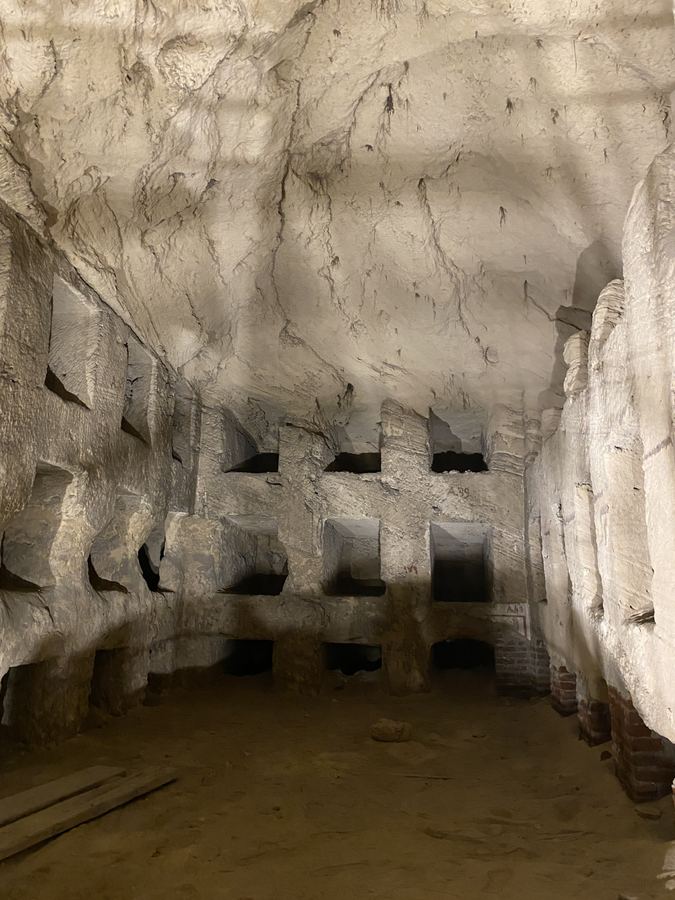
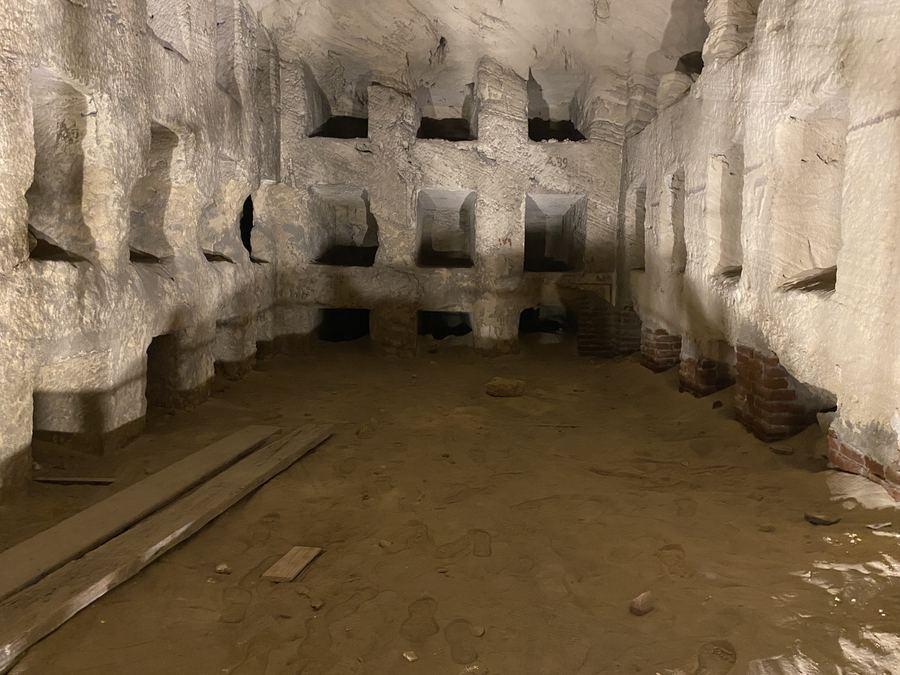
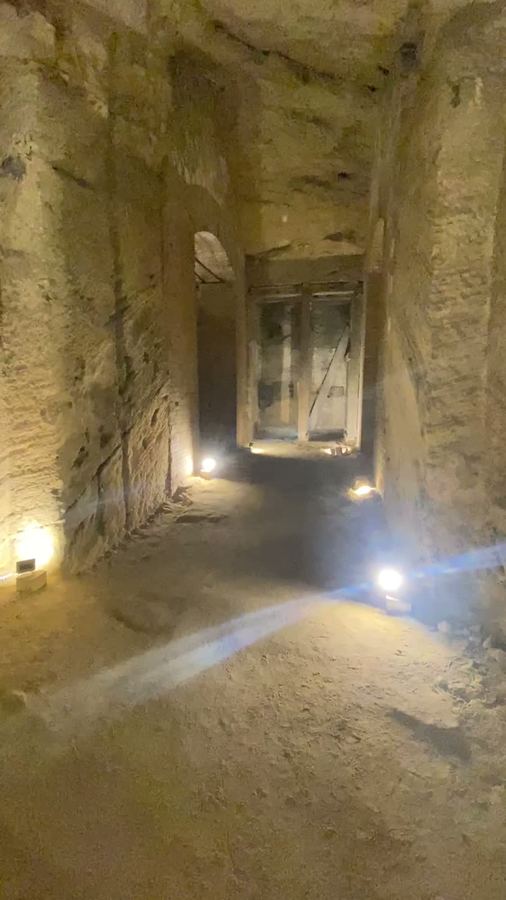
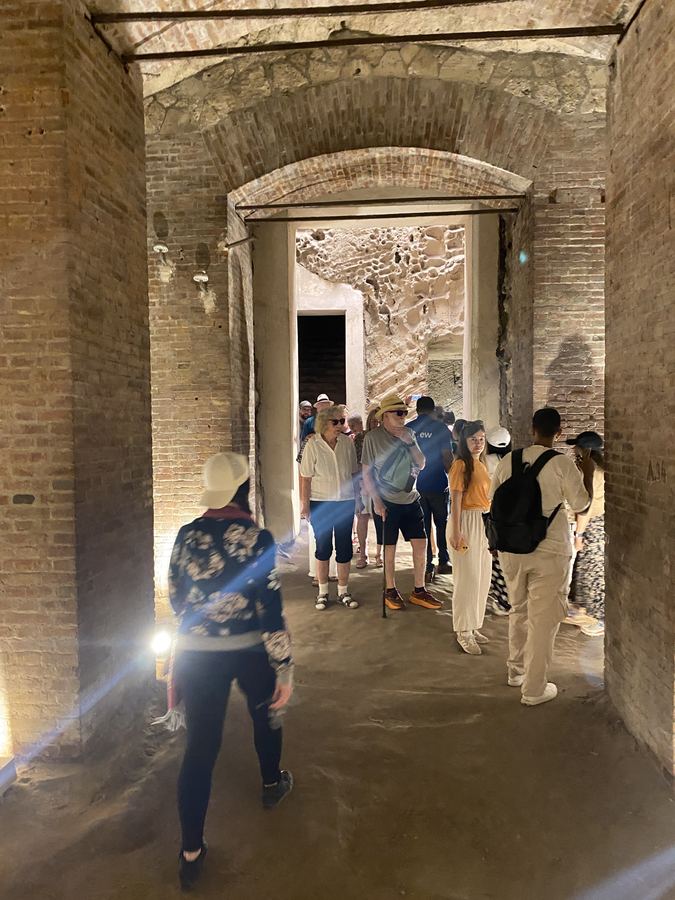
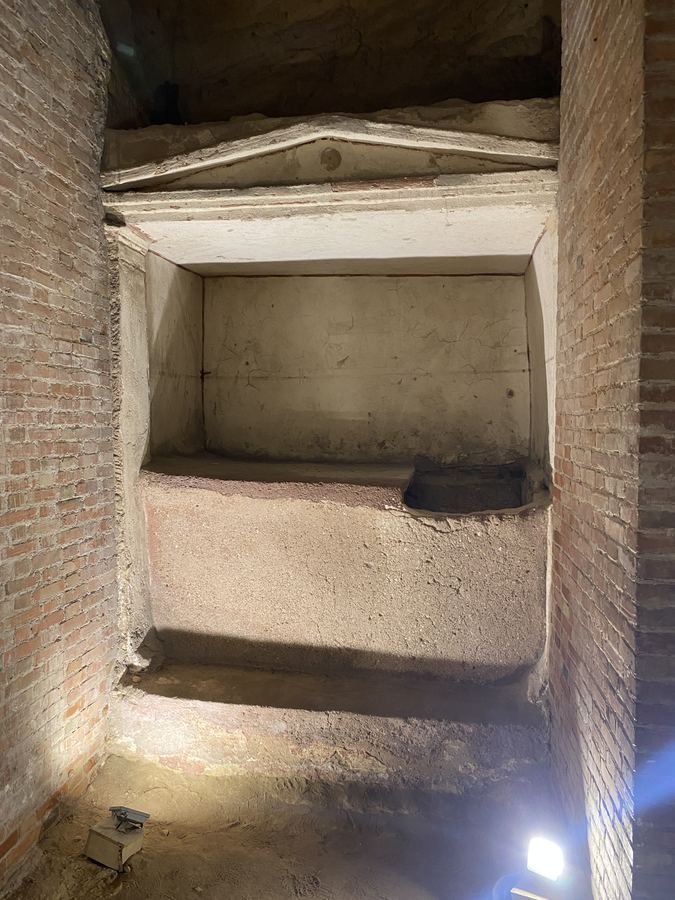
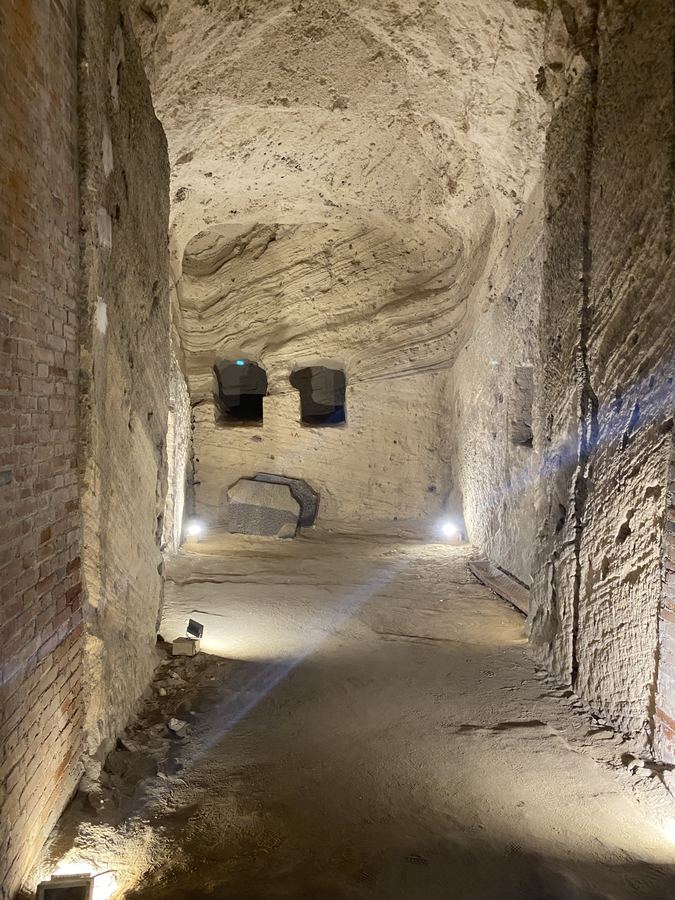
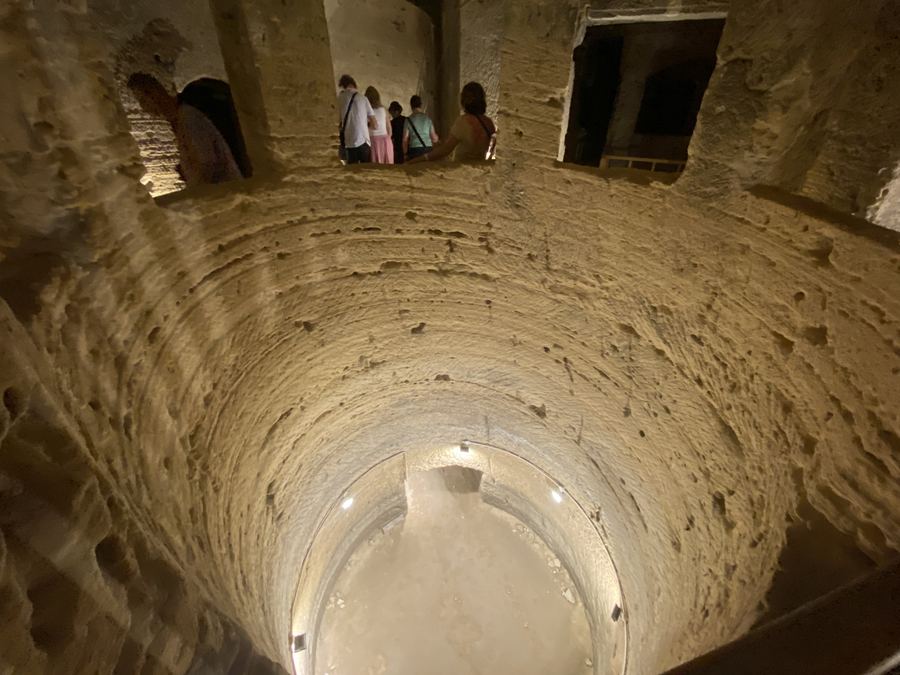
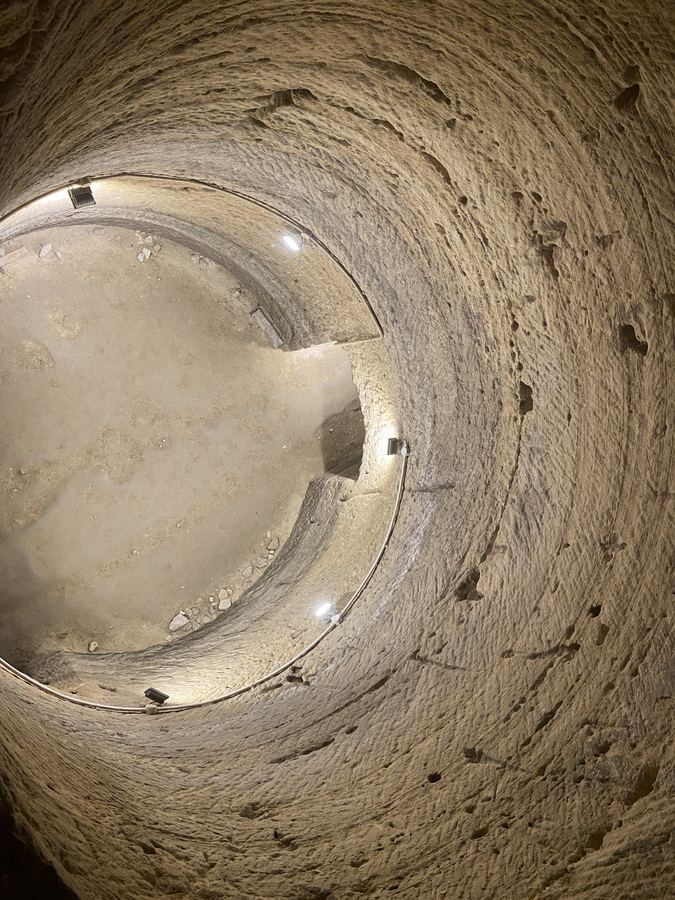
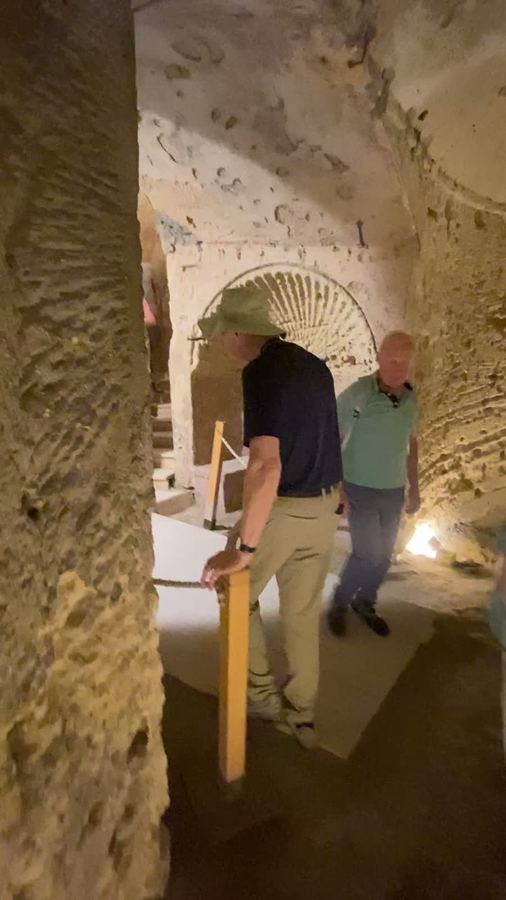
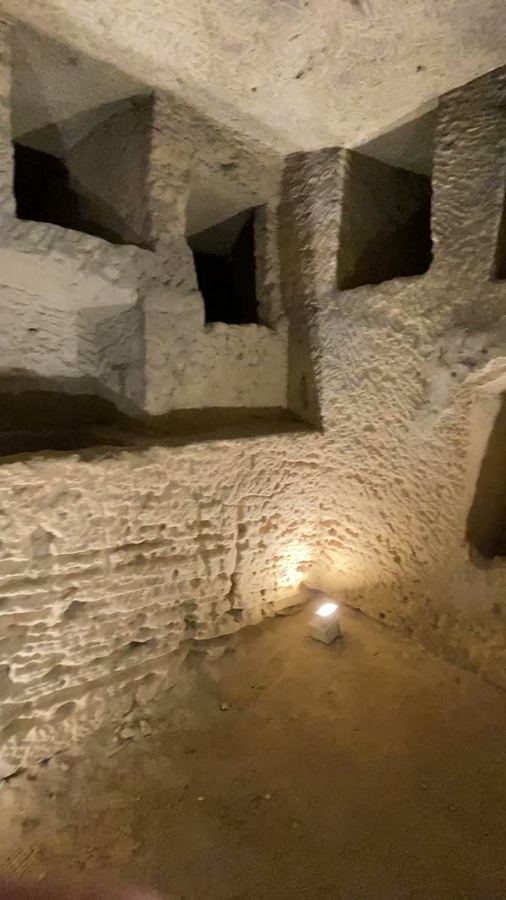
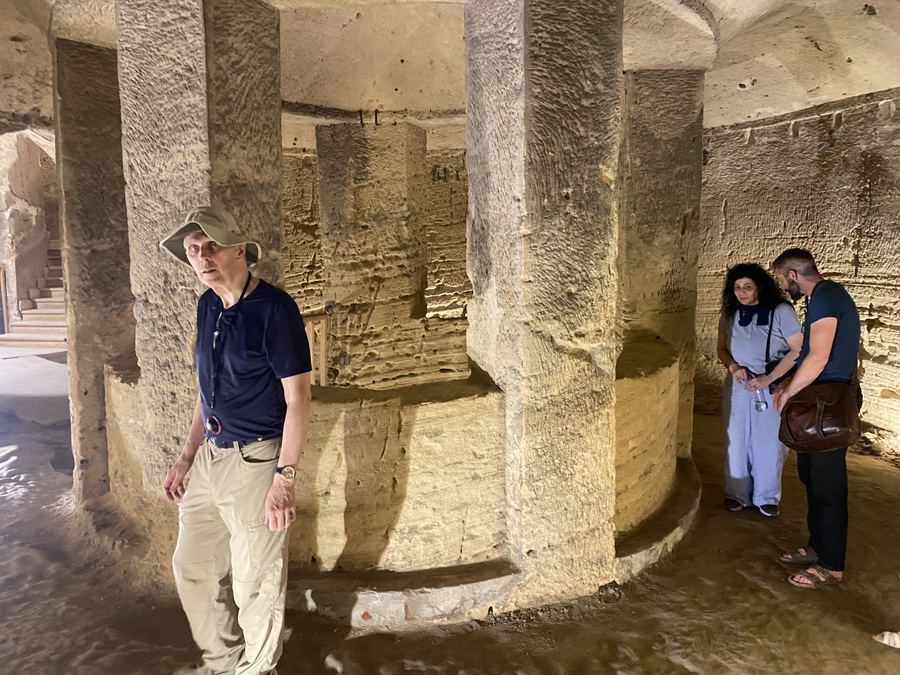
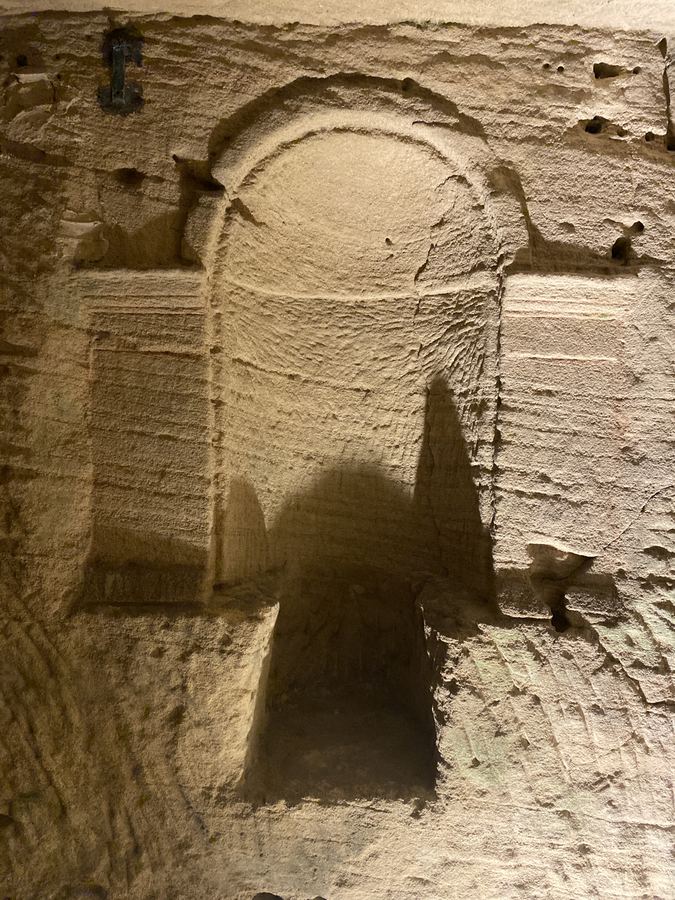
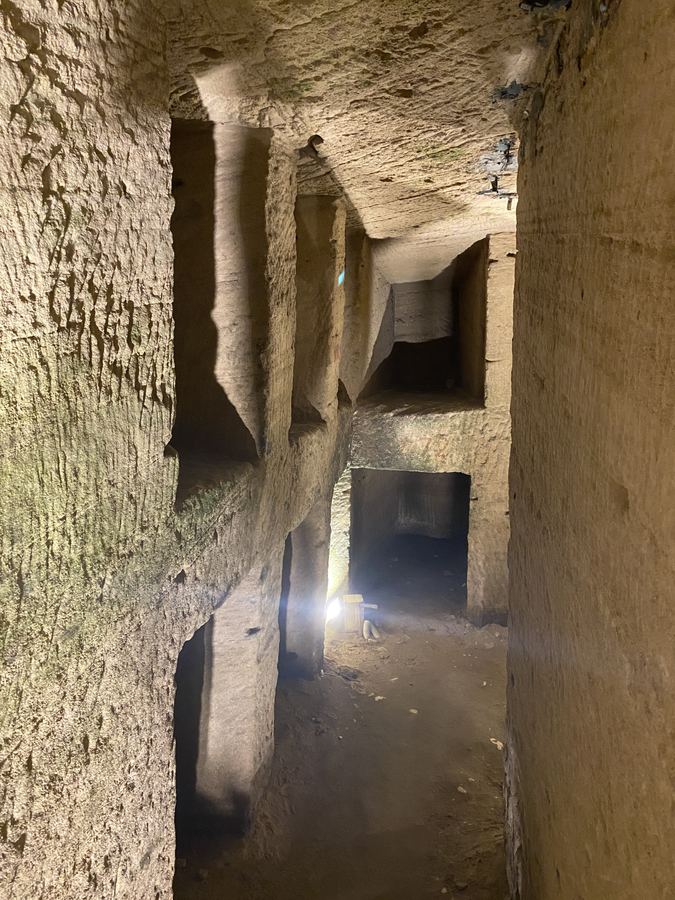
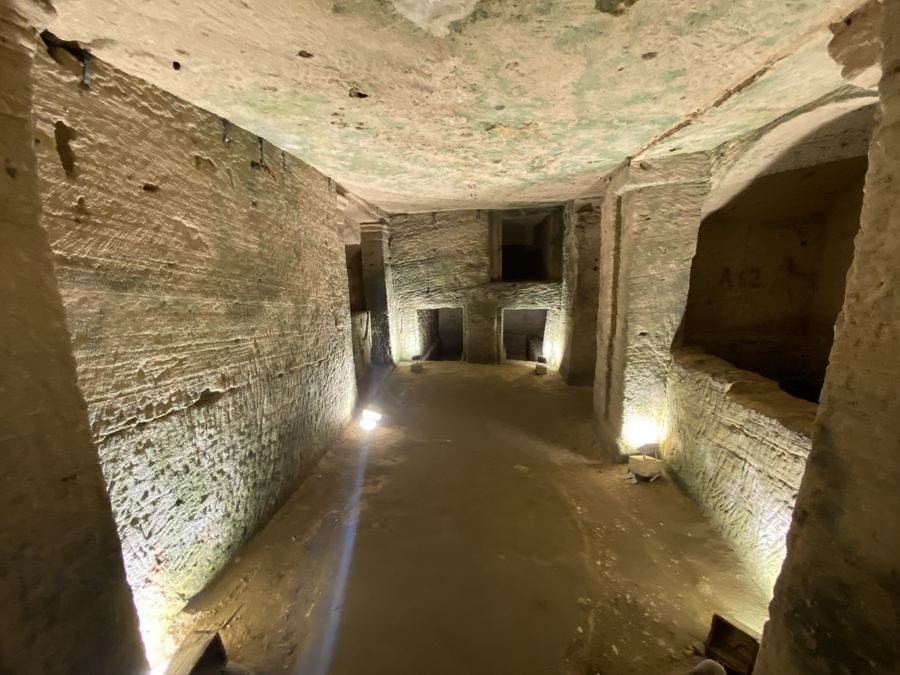
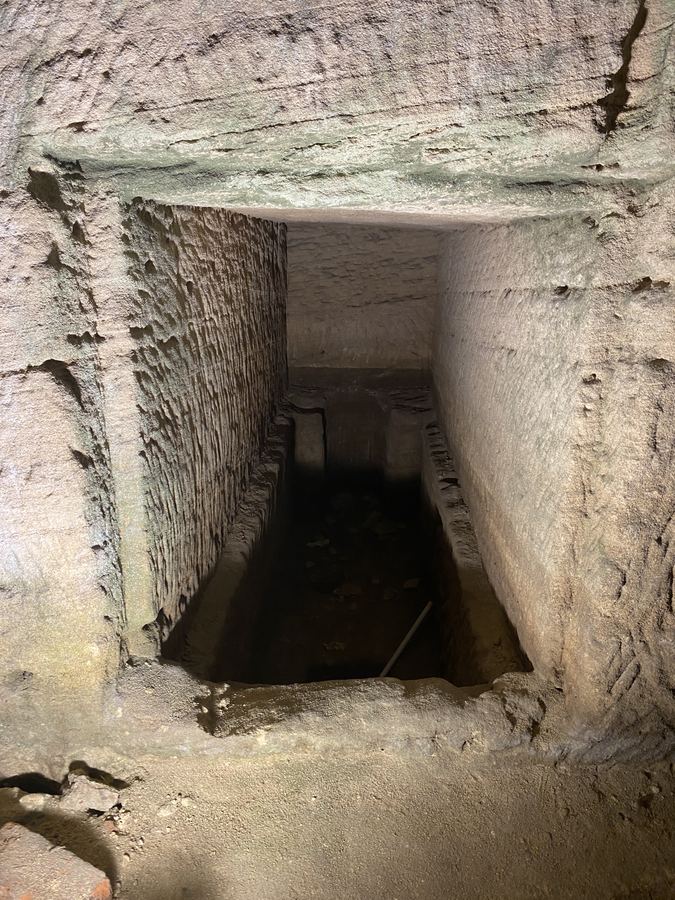
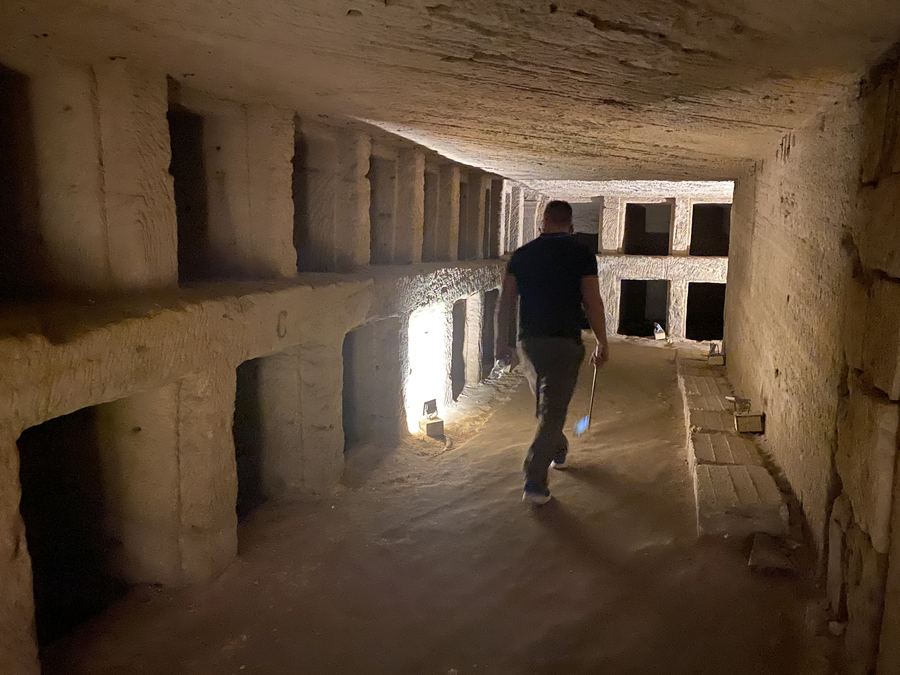
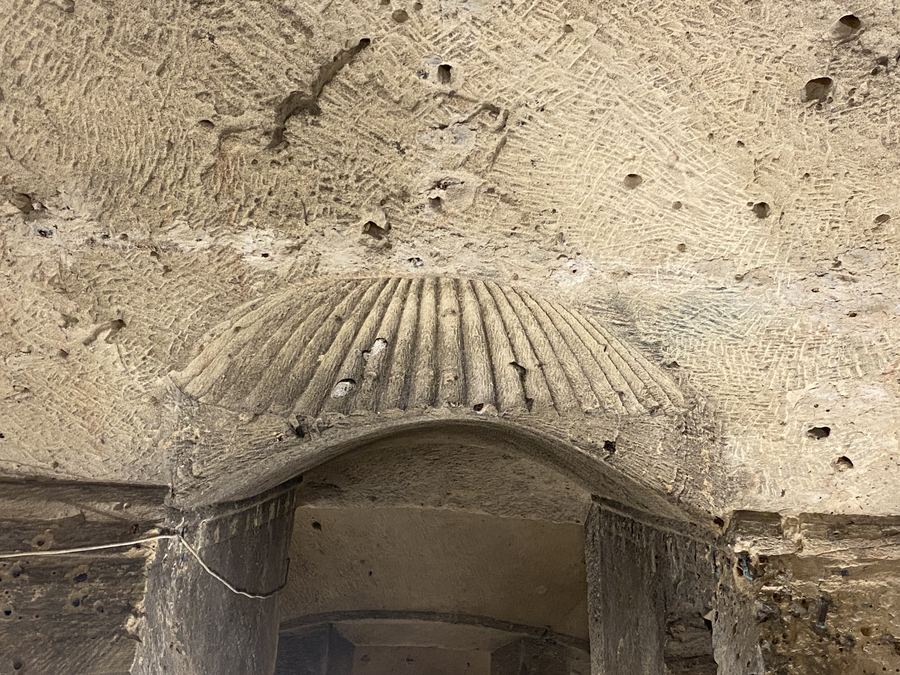
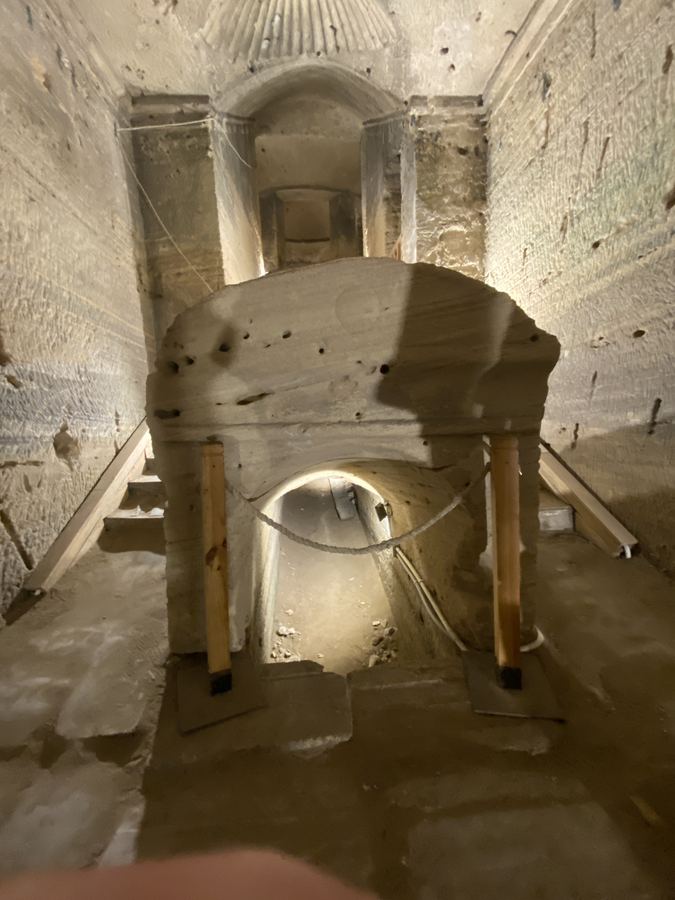
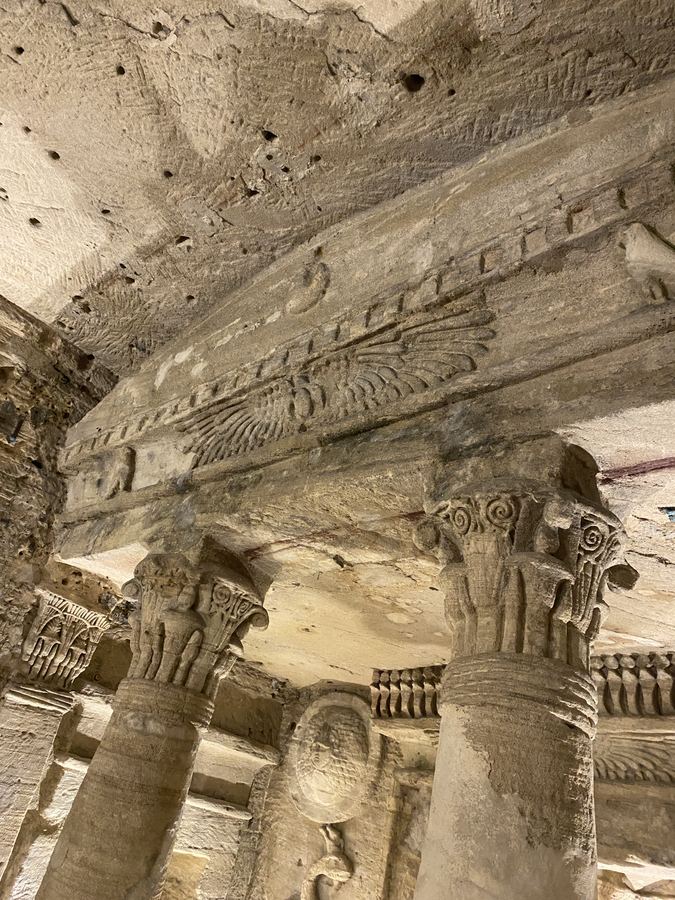
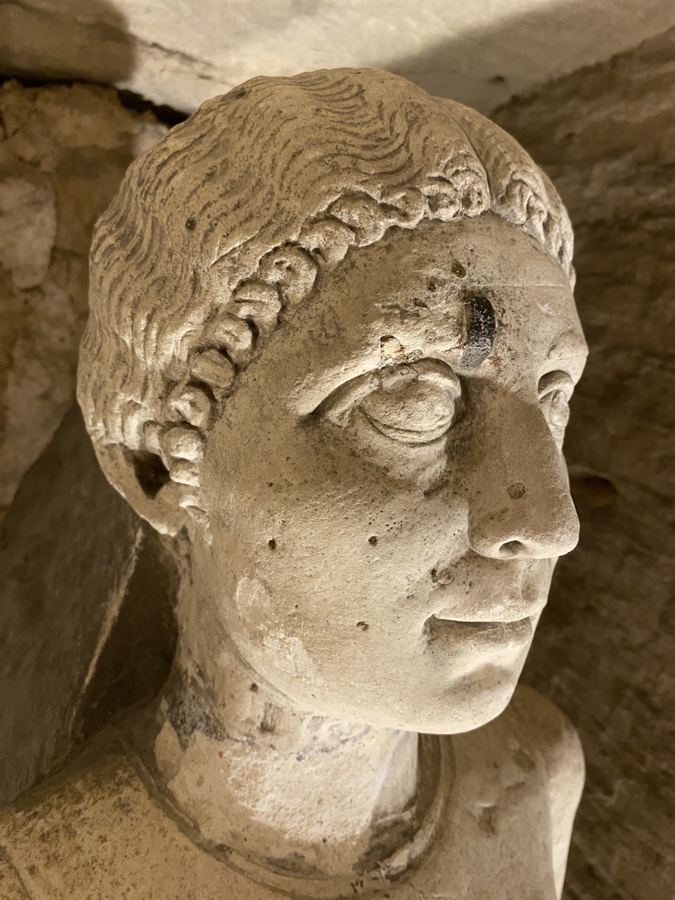
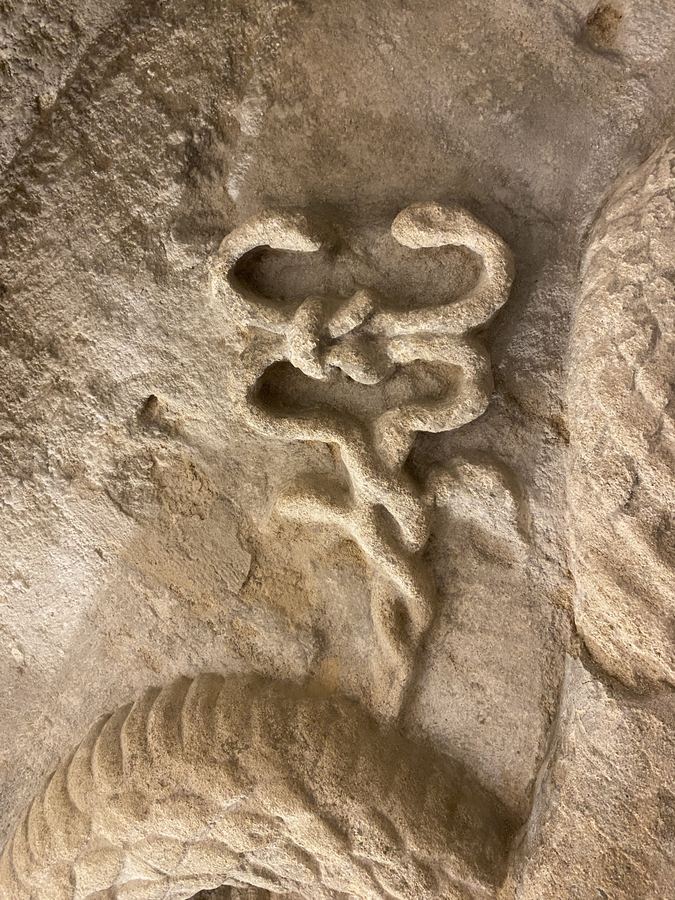
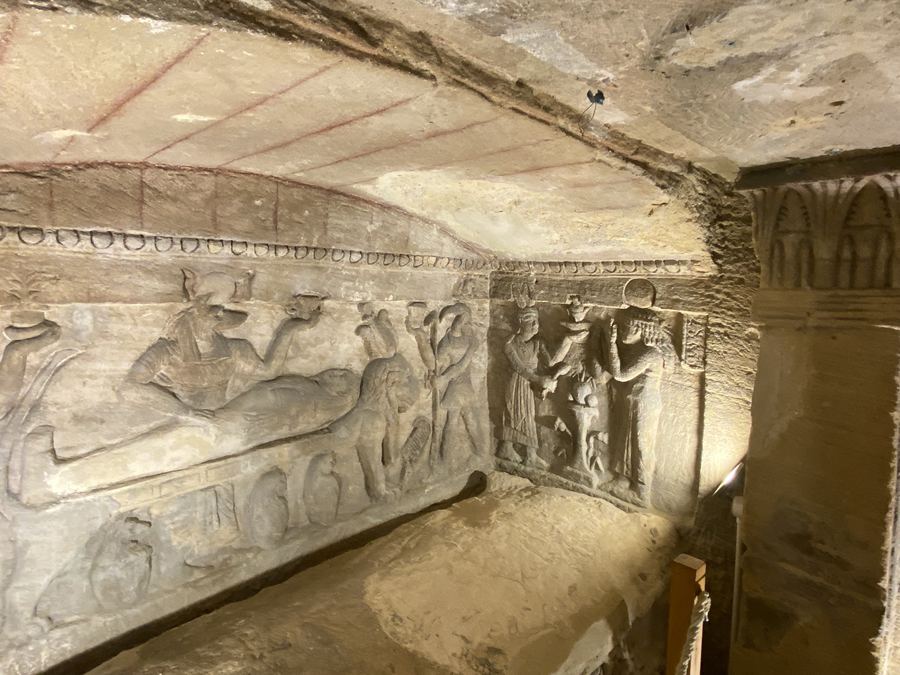
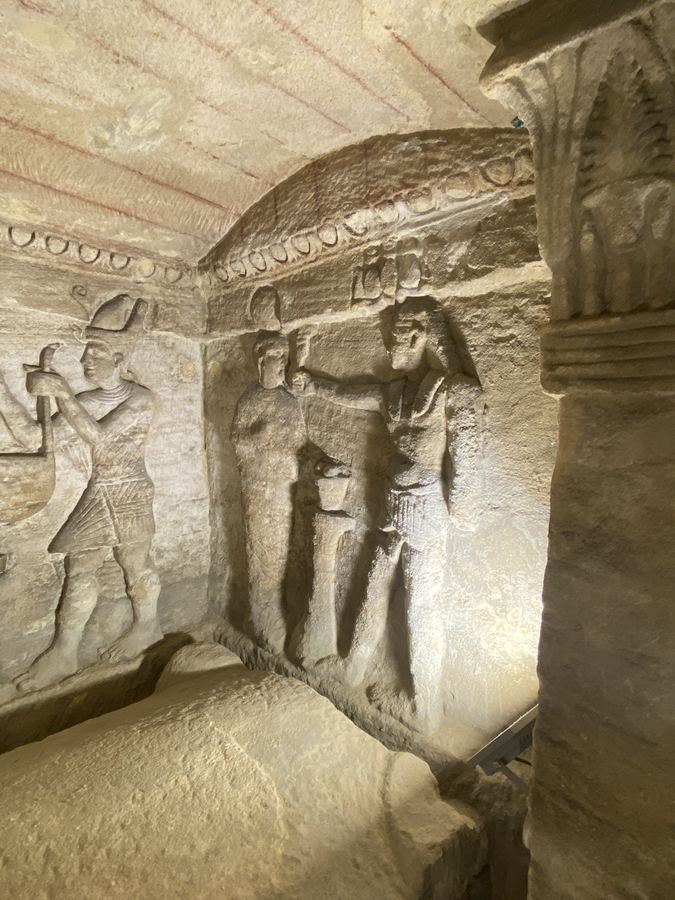
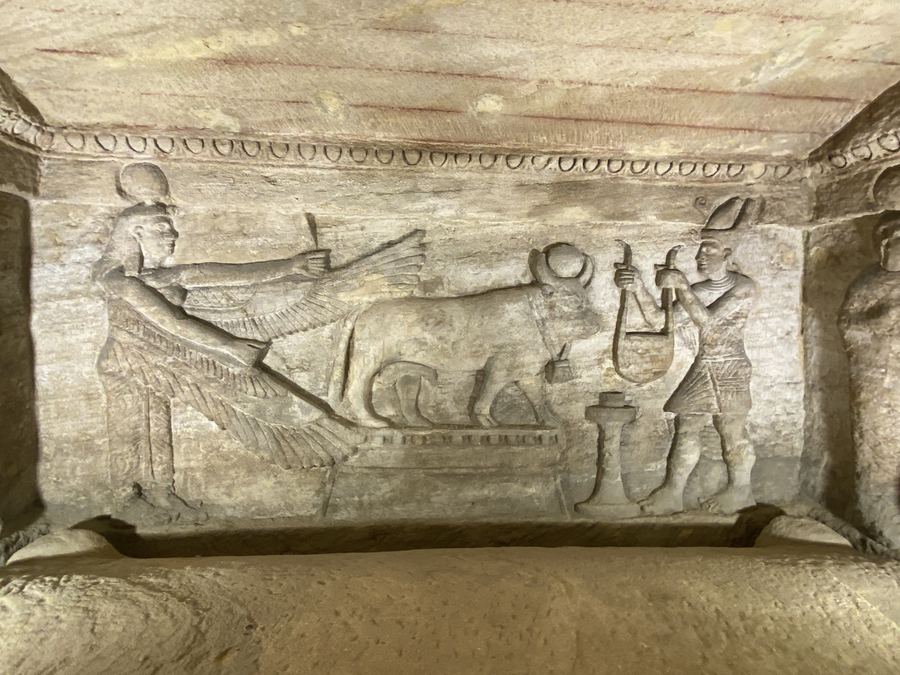
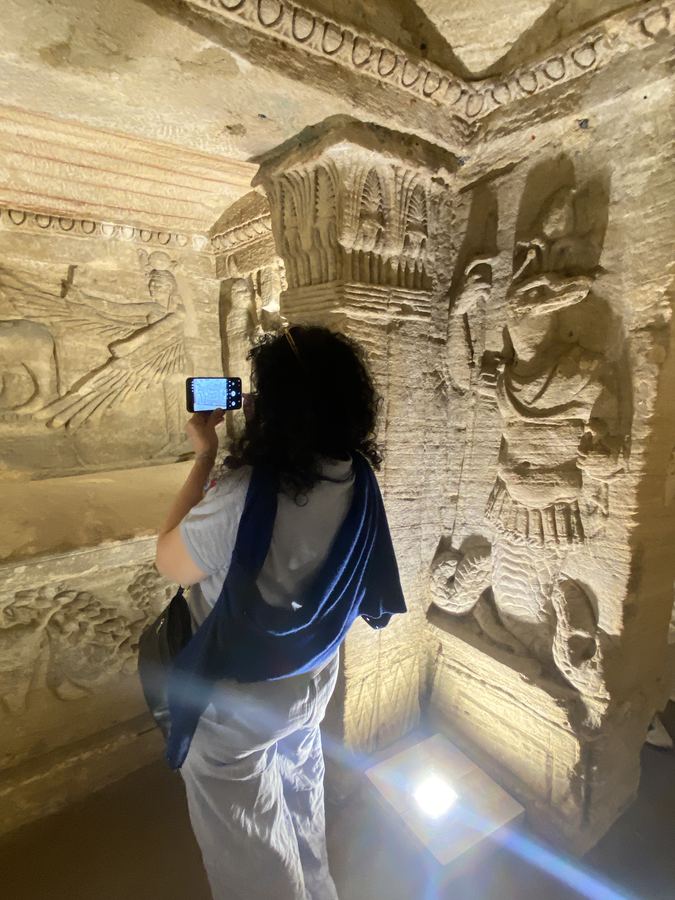
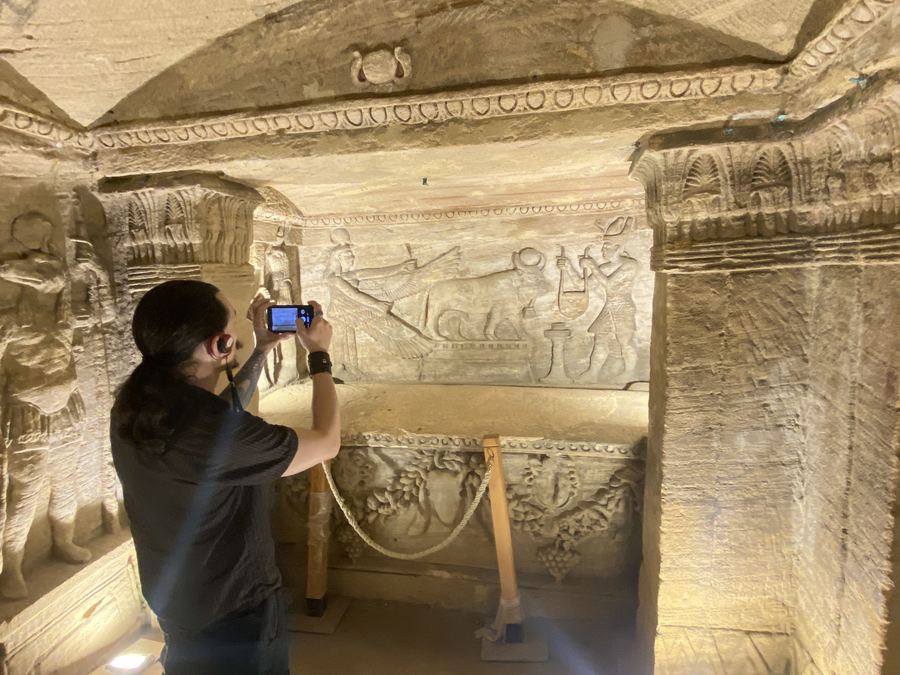
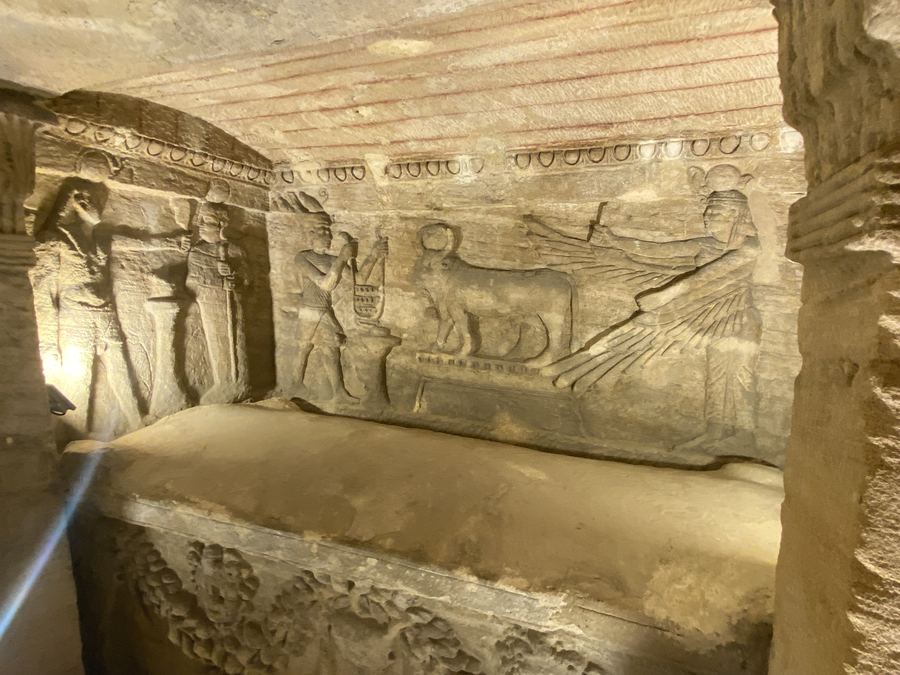
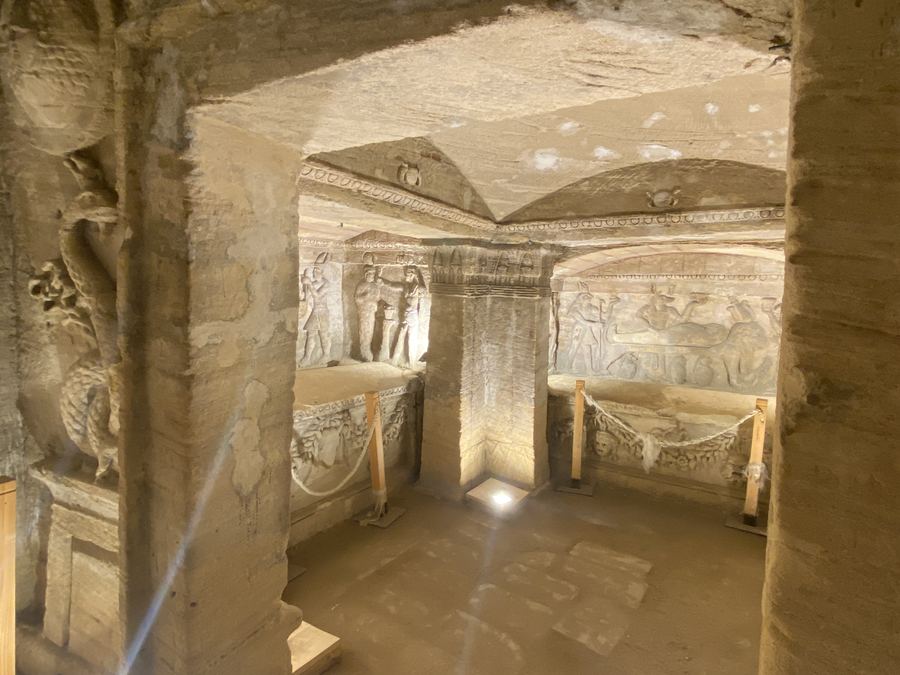
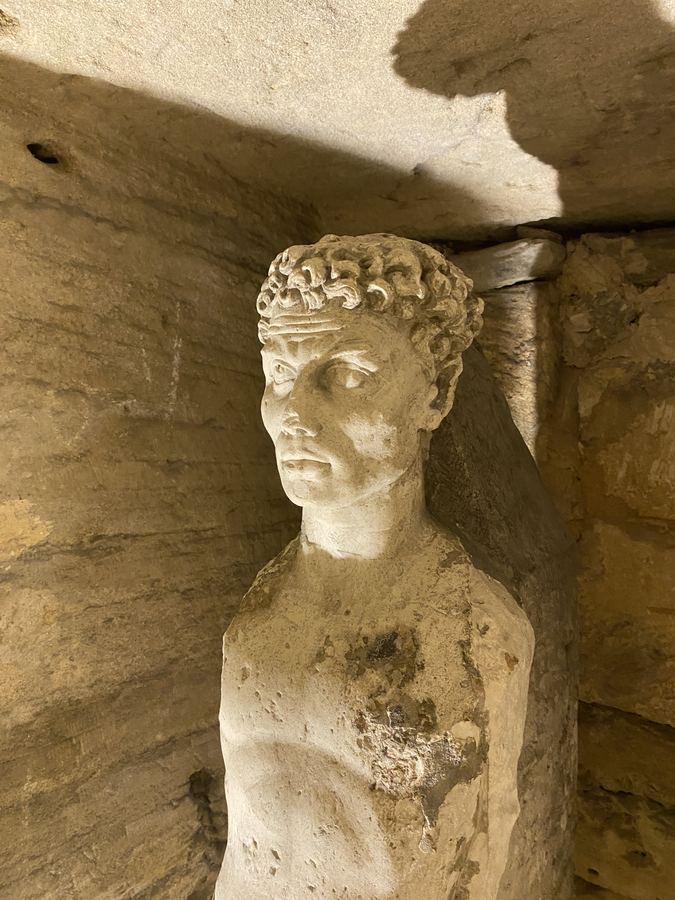
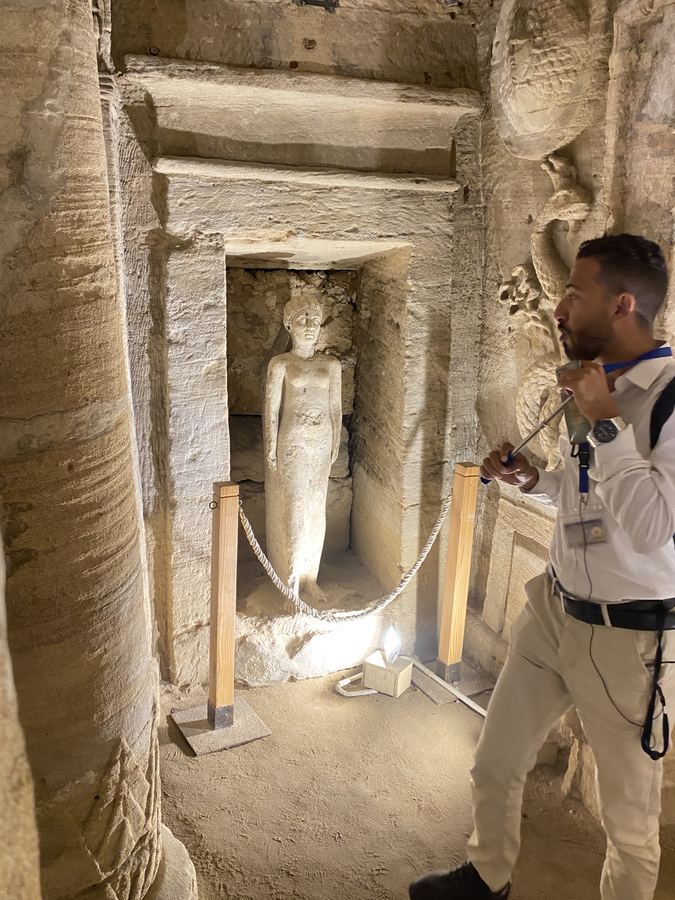
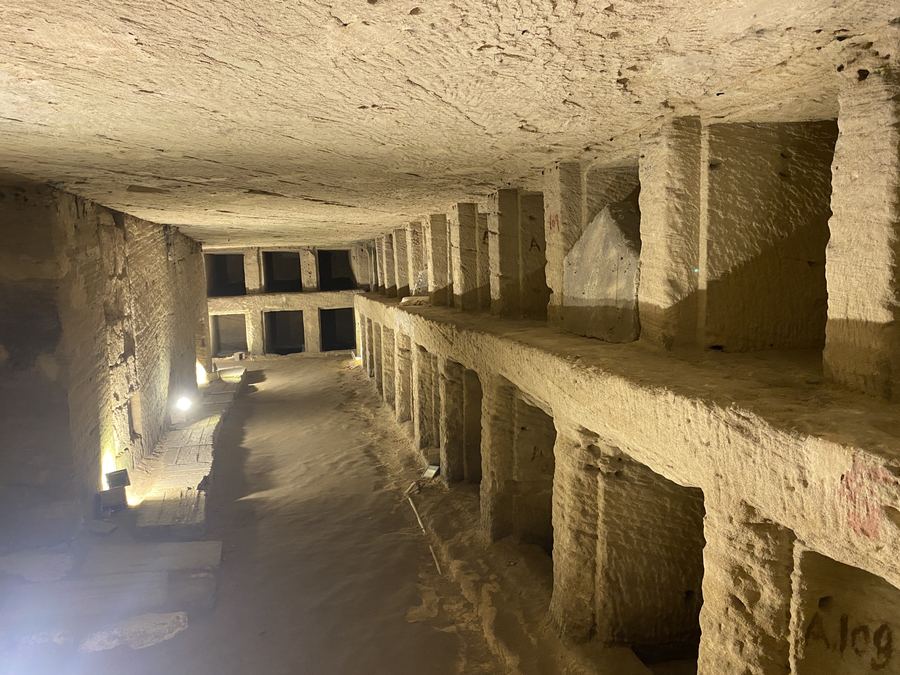
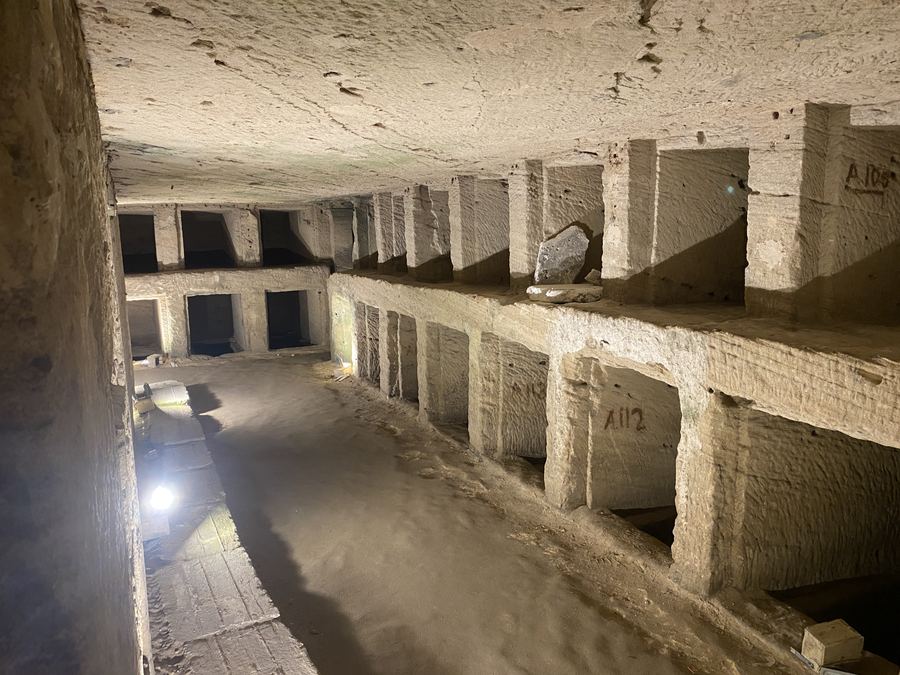
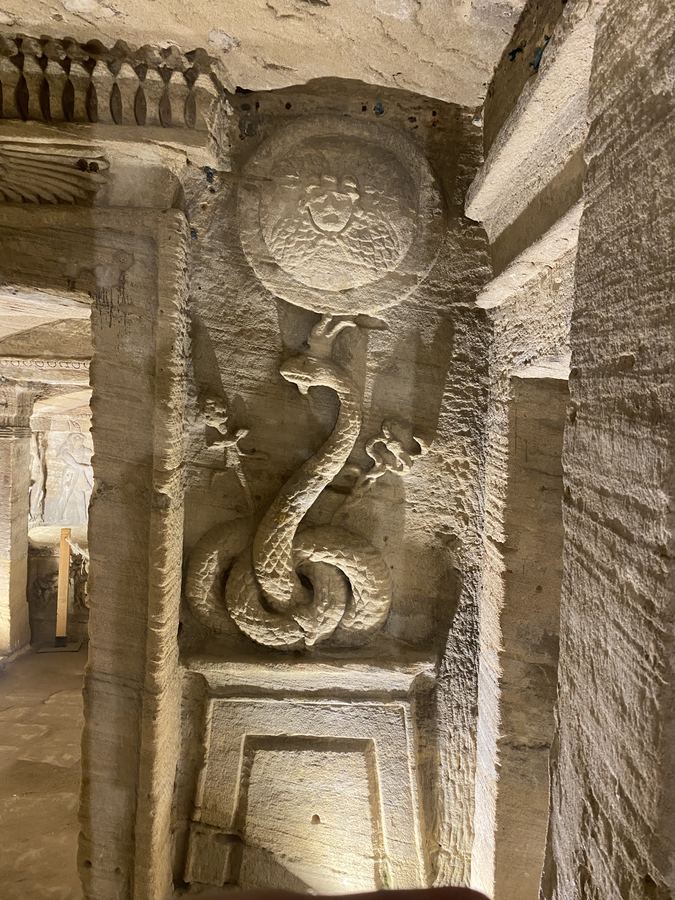
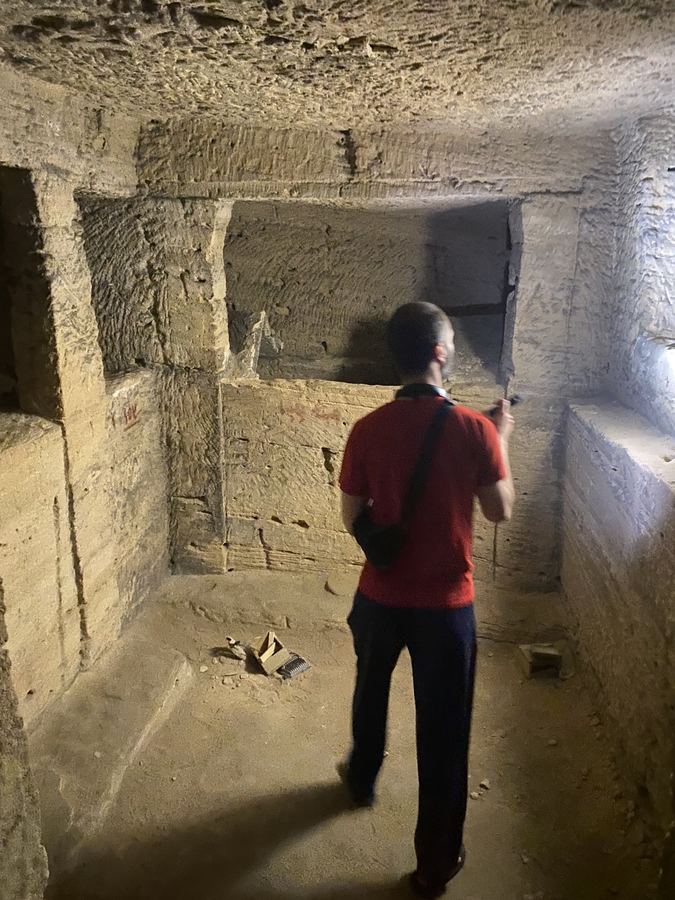
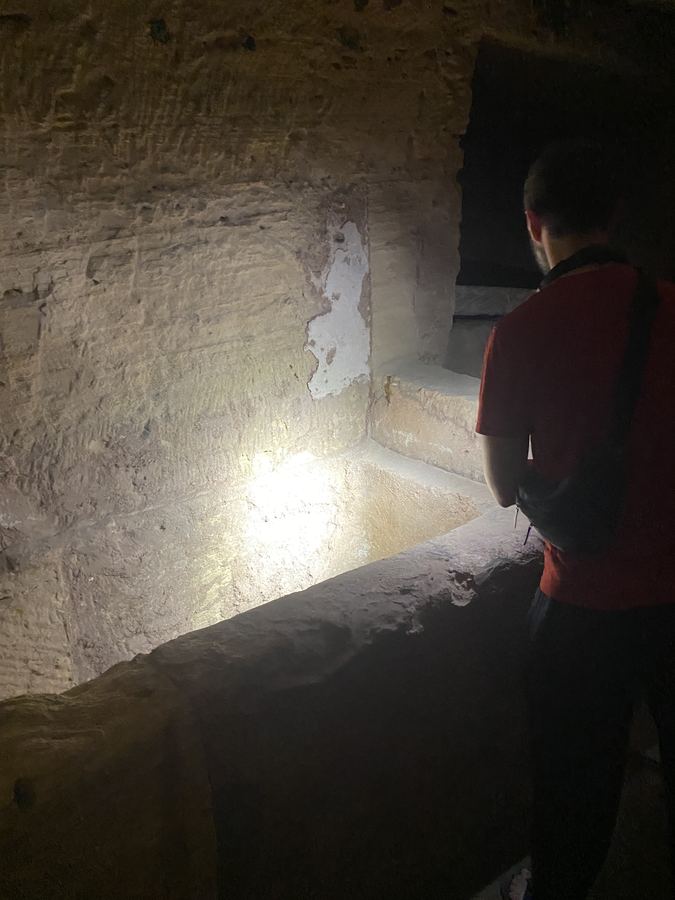
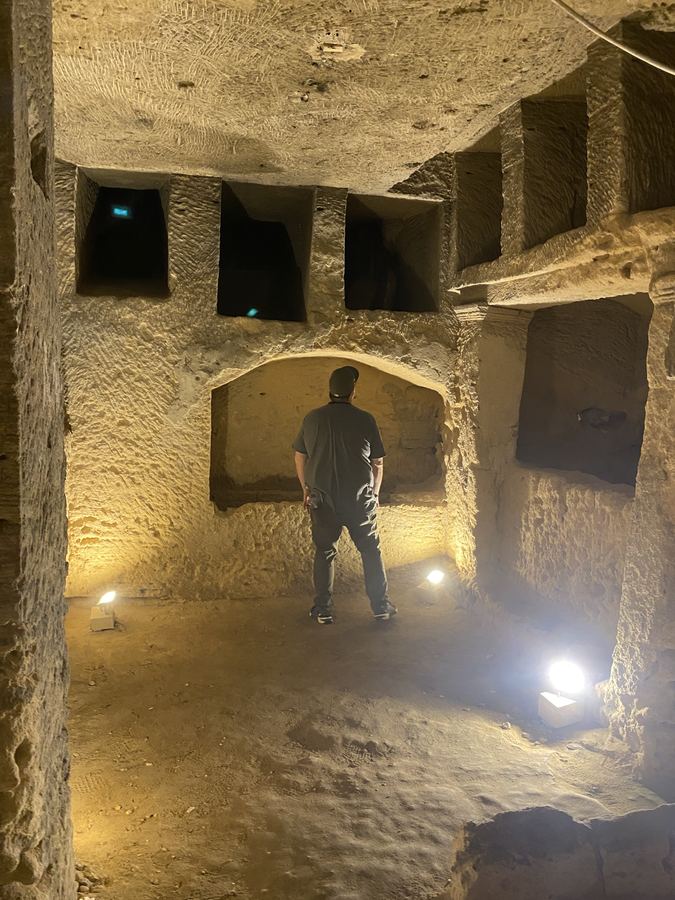
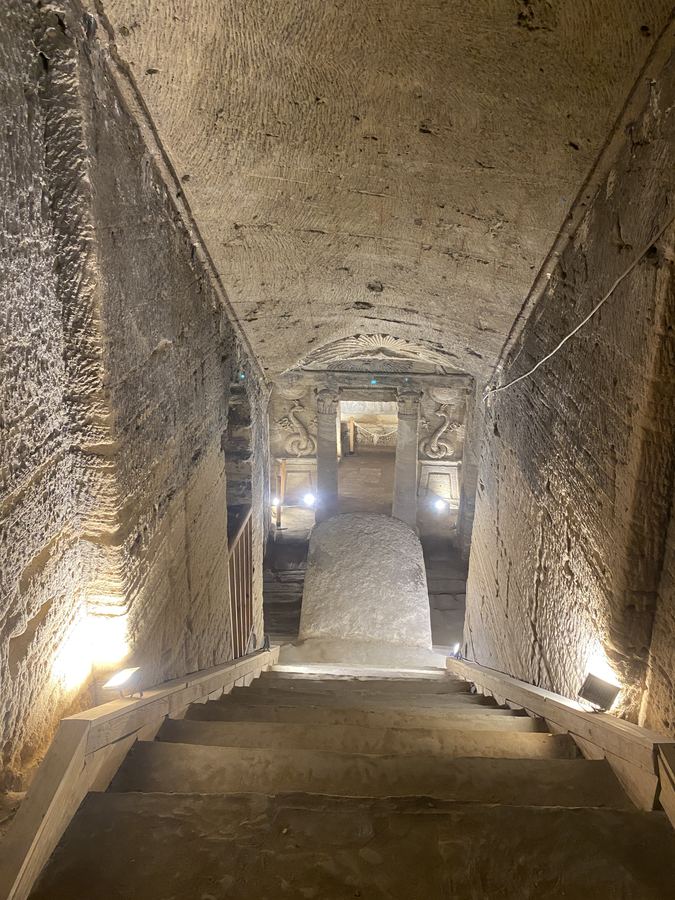
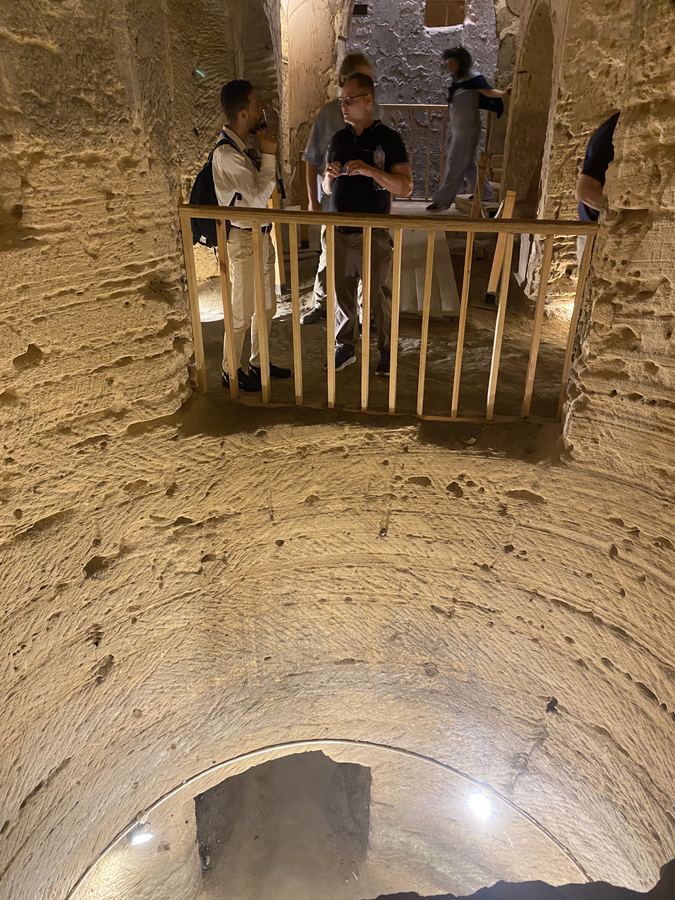
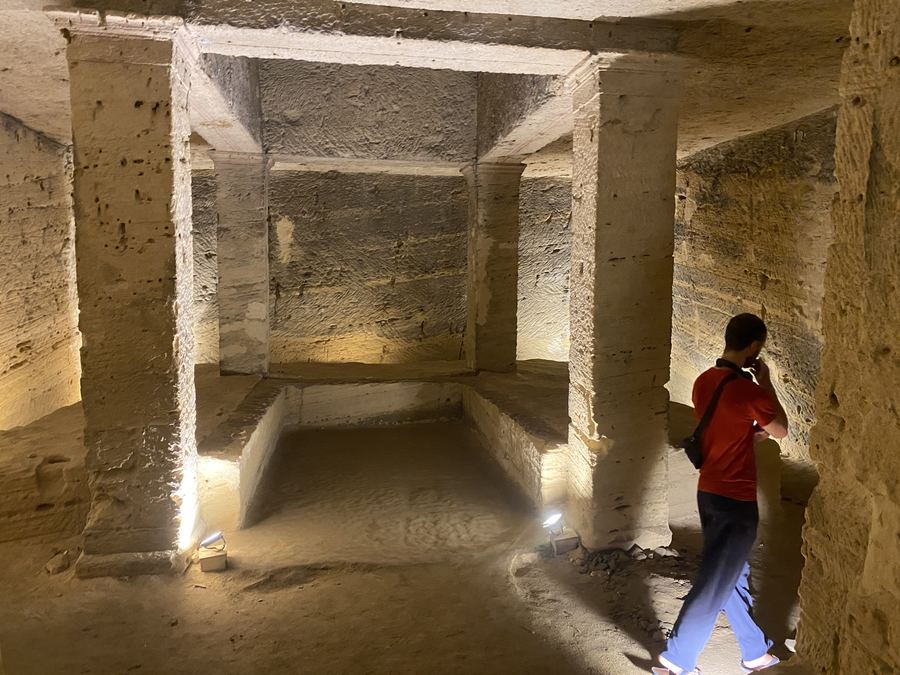
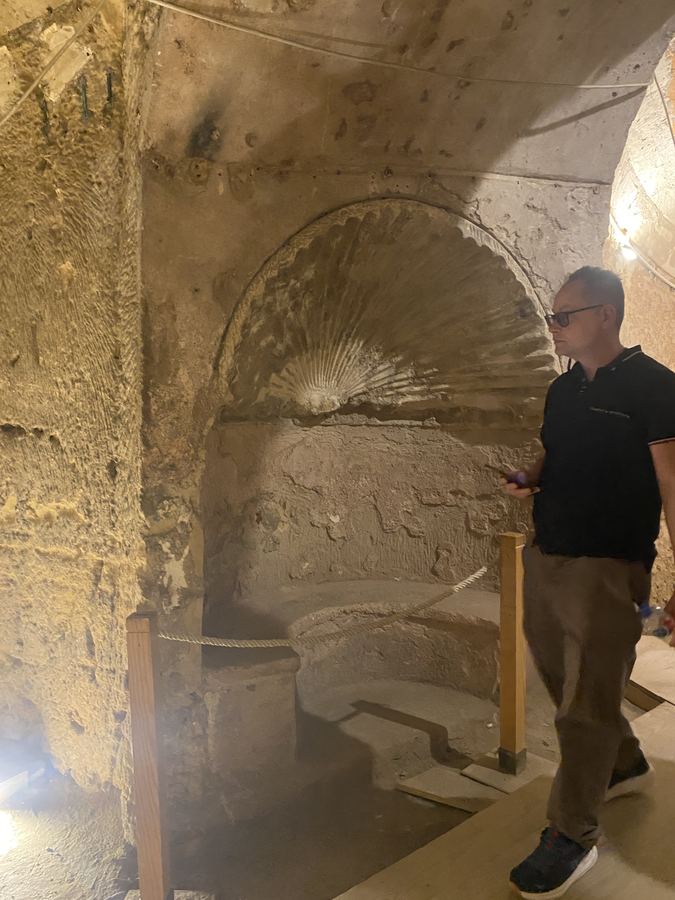
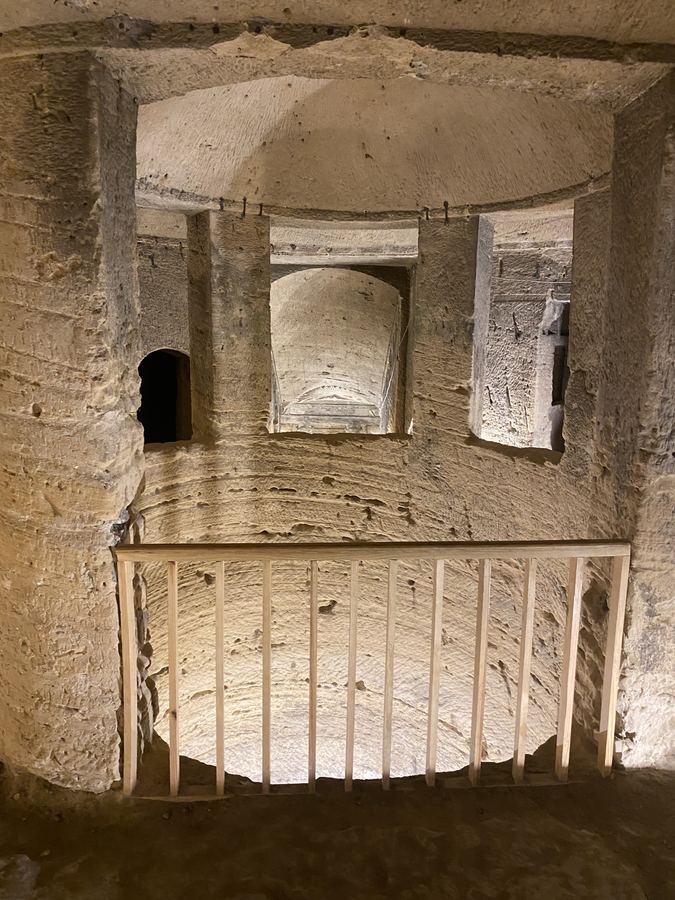
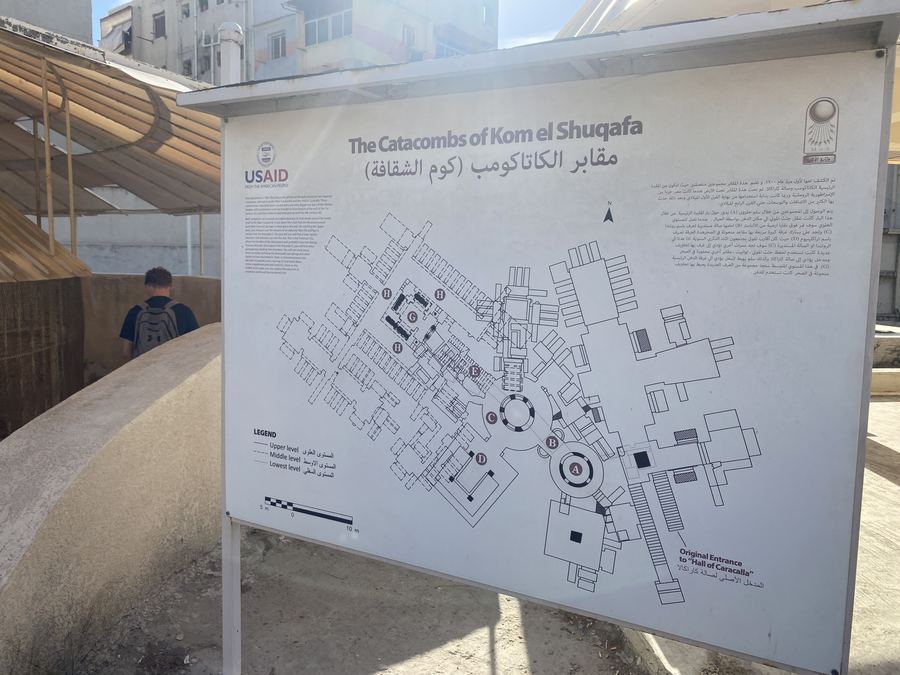
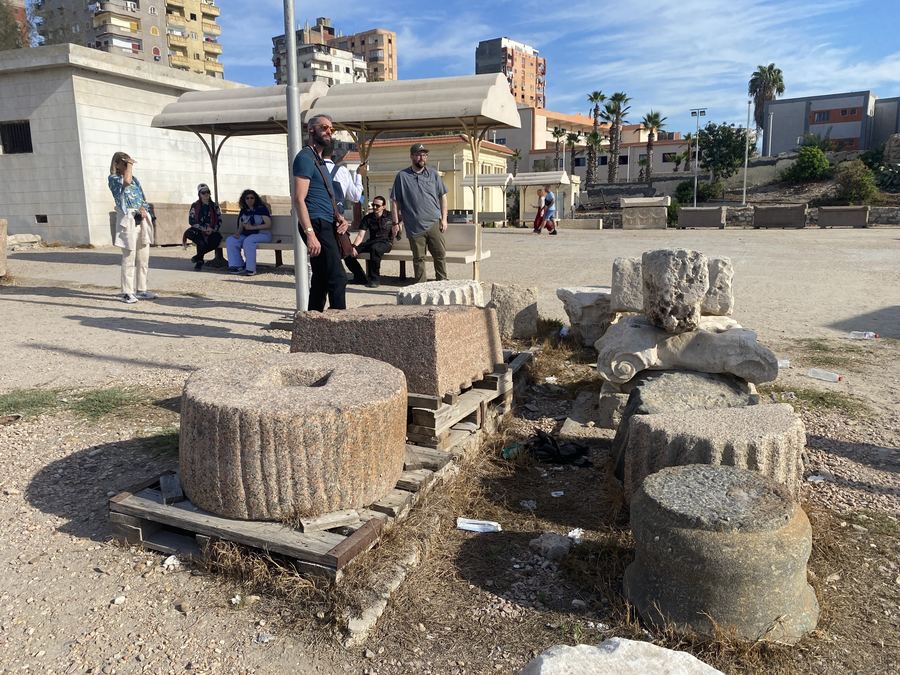
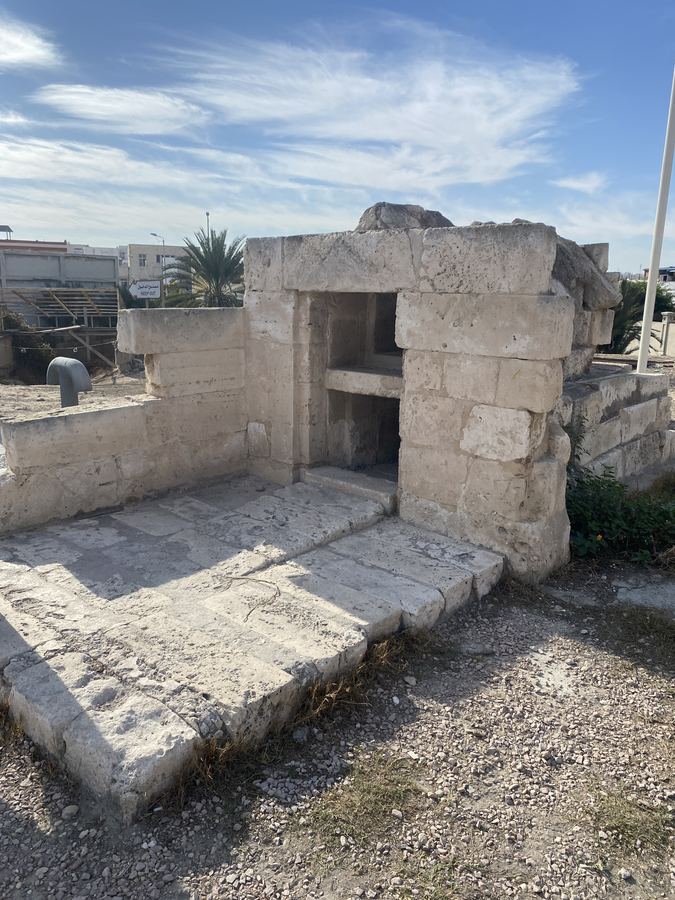
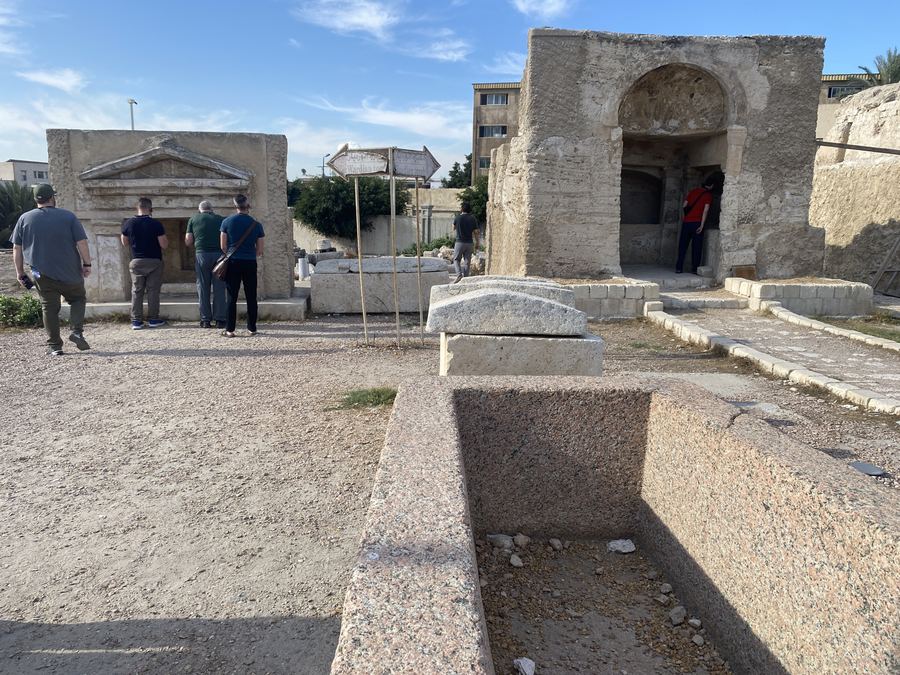
Kom El Shoqafa, meaning “Mound of Shards” in Arabic, takes its name from the heaps of broken terracotta pottery once found throughout the area. These shards were likely left behind by ancient visitors who brought food and drink to the tombs, then discarded the vessels near the site. The catacombs were rediscovered in 1900, according to local tradition, when a donkey accidentally fell through a hole in the ground and revealed the entrance to the underground necropolis. What emerged was one of Alexandria’s most remarkable ancient burial complexes: a subterranean world of tombs, chambers, stairways, and sculpted walls. What makes Kom El Shoqafa especially fascinating is its fusion of Egyptian, Greek, and Roman artistic traditions. The site reflects Alexandria’s unique cultural character, where pharaonic funerary symbolism, Hellenistic forms, and Roman-era burial customs all meet in one strange and beautiful underworld. Statues, reliefs, and architectural details blend gods, guardians, and motifs from multiple civilizations, making the necropolis a powerful example of Egypt’s late antique spiritual and artistic syncretism.