In 1917, American missionary Orville Fowler Barcus published A New World Discovered, a book inspired by a series of observations he conducted over bodies of water in China. He ends his book with this statement:
“If anyone will take the trouble to make an examination, it will be found that the one great, fundamental fact upon which a true conception of the world is to be based is that the Earth’s surface is concave.” — O.F. Barcus
A century later, an American by the name of Joshua James Bolieiro (known as Zenith Atlas on YT) carried out similar observations over Lake St. Clair in Michigan. Only now, in the 21st century, we have Nikon P1000s with 125× optical zoom, an upgrade over the 8× zoom prismatic telescope that Orville used. We should be able to see what he described even more clearly! And we can.
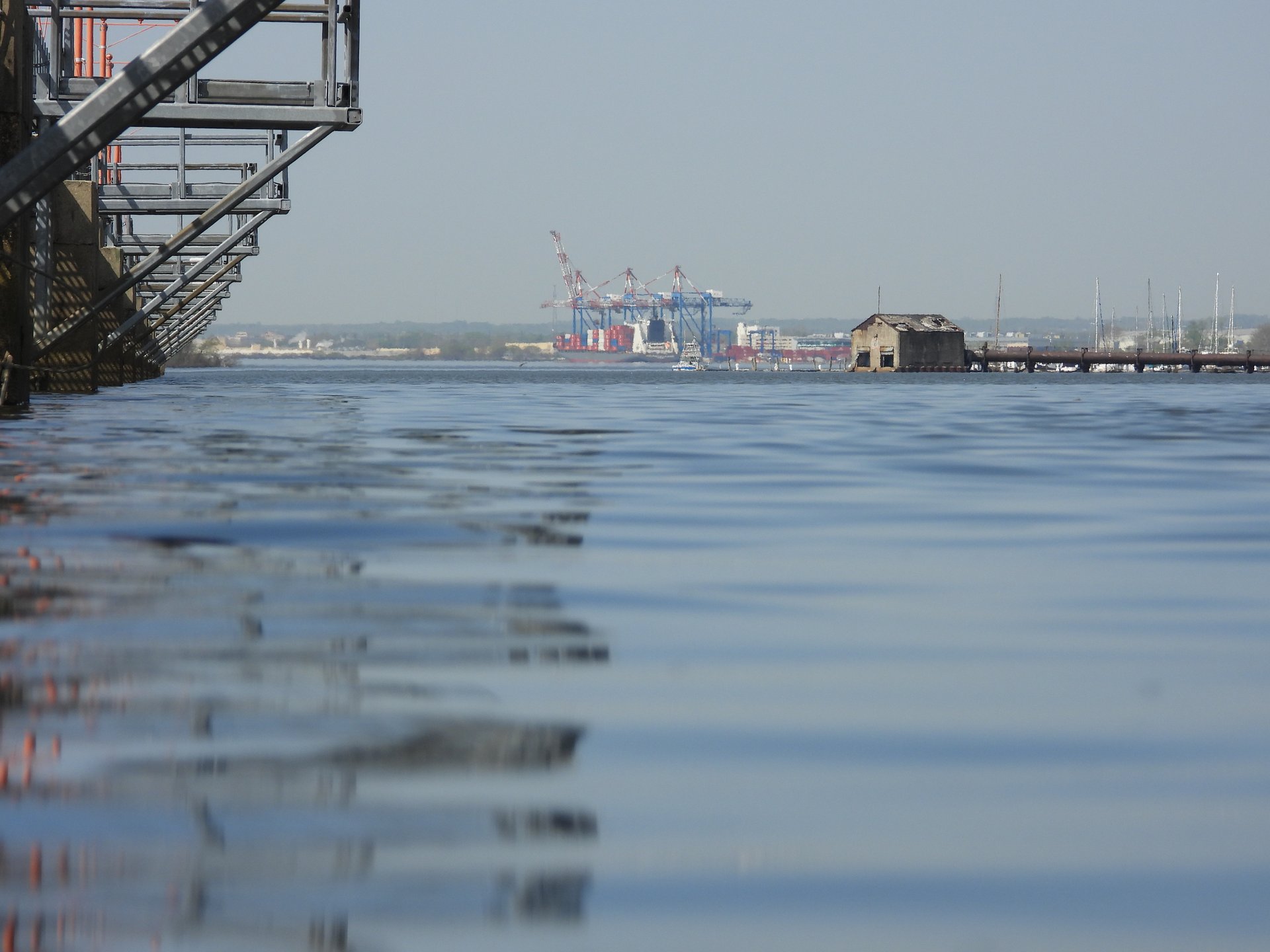
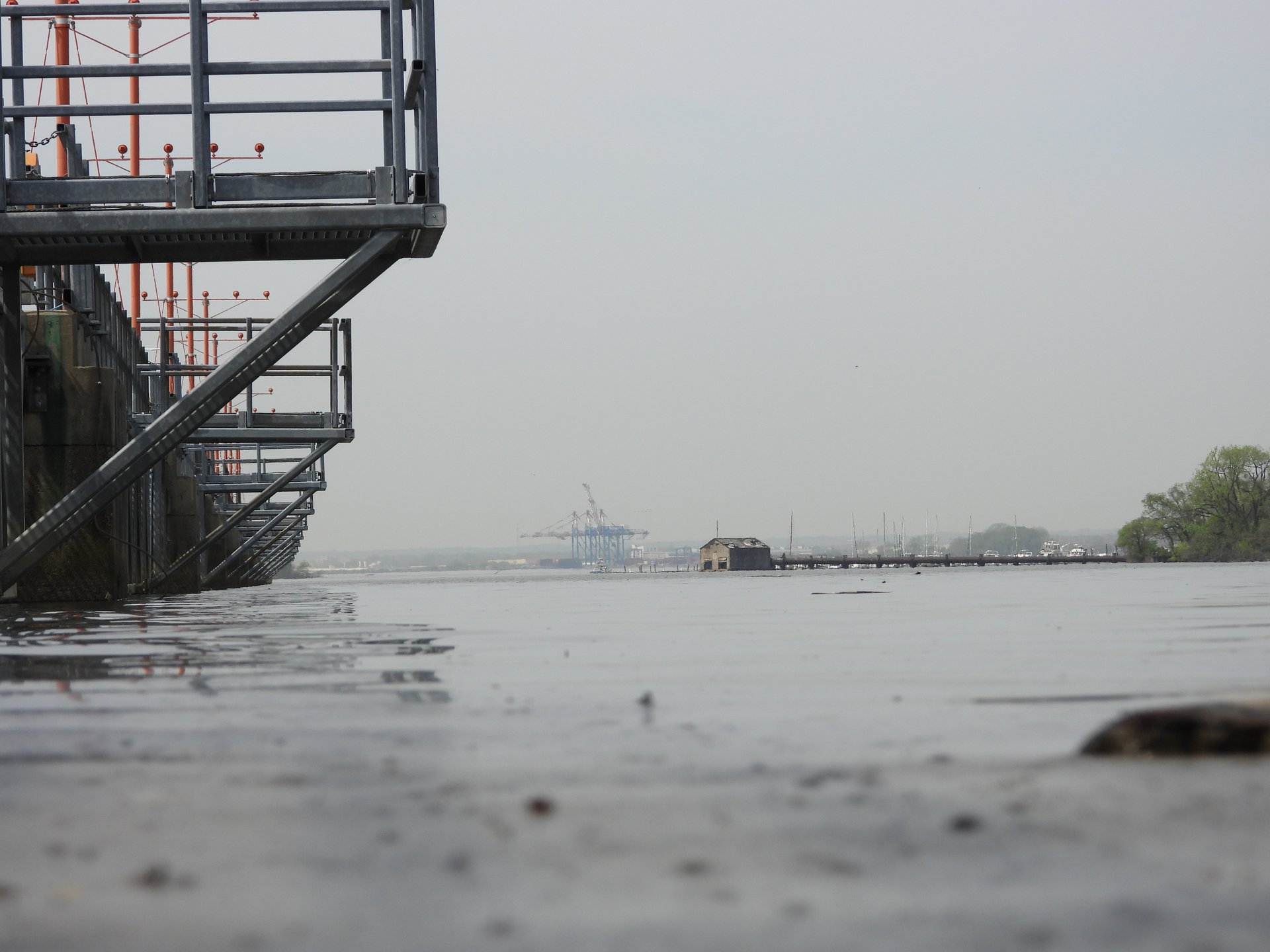
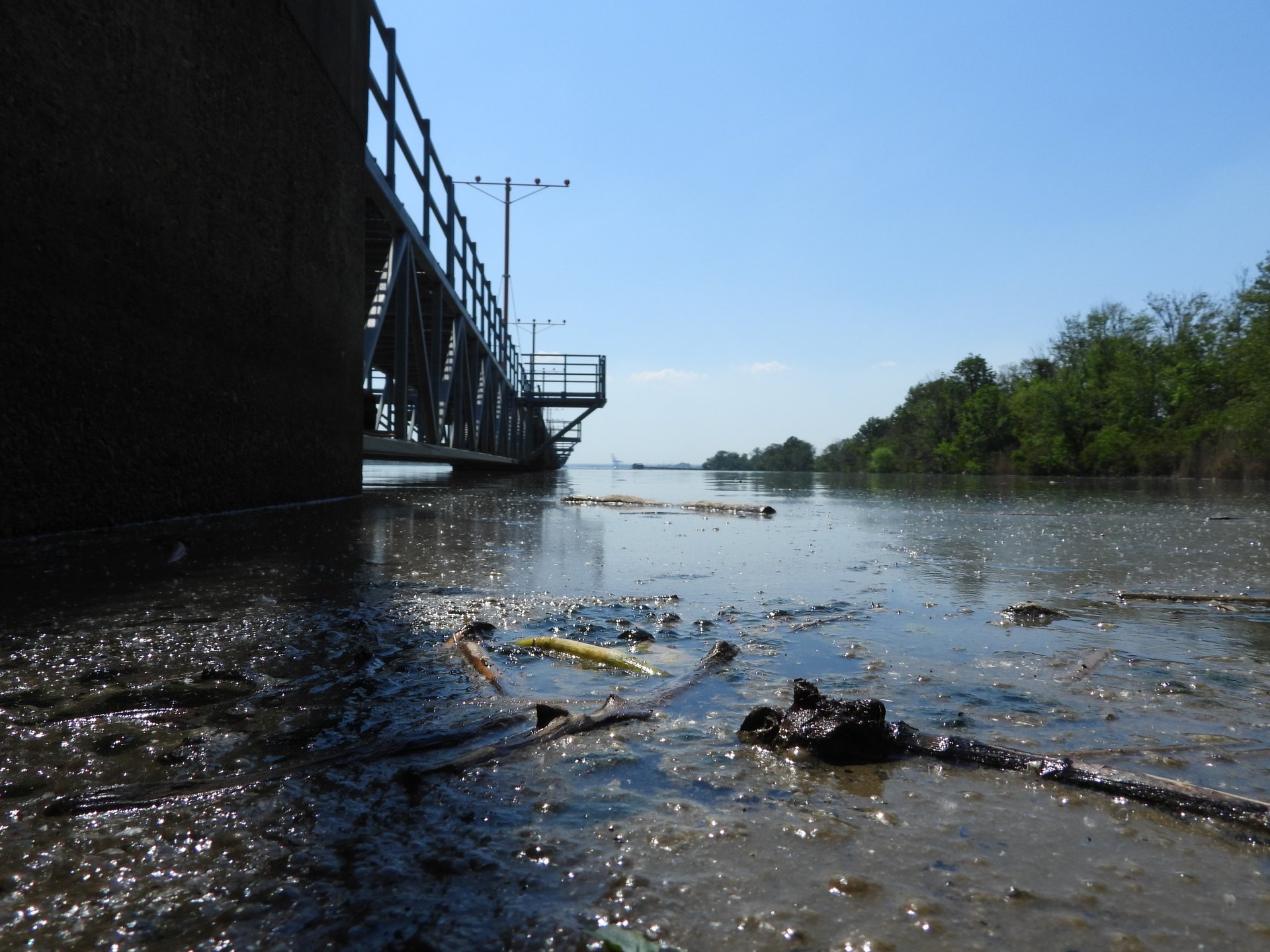
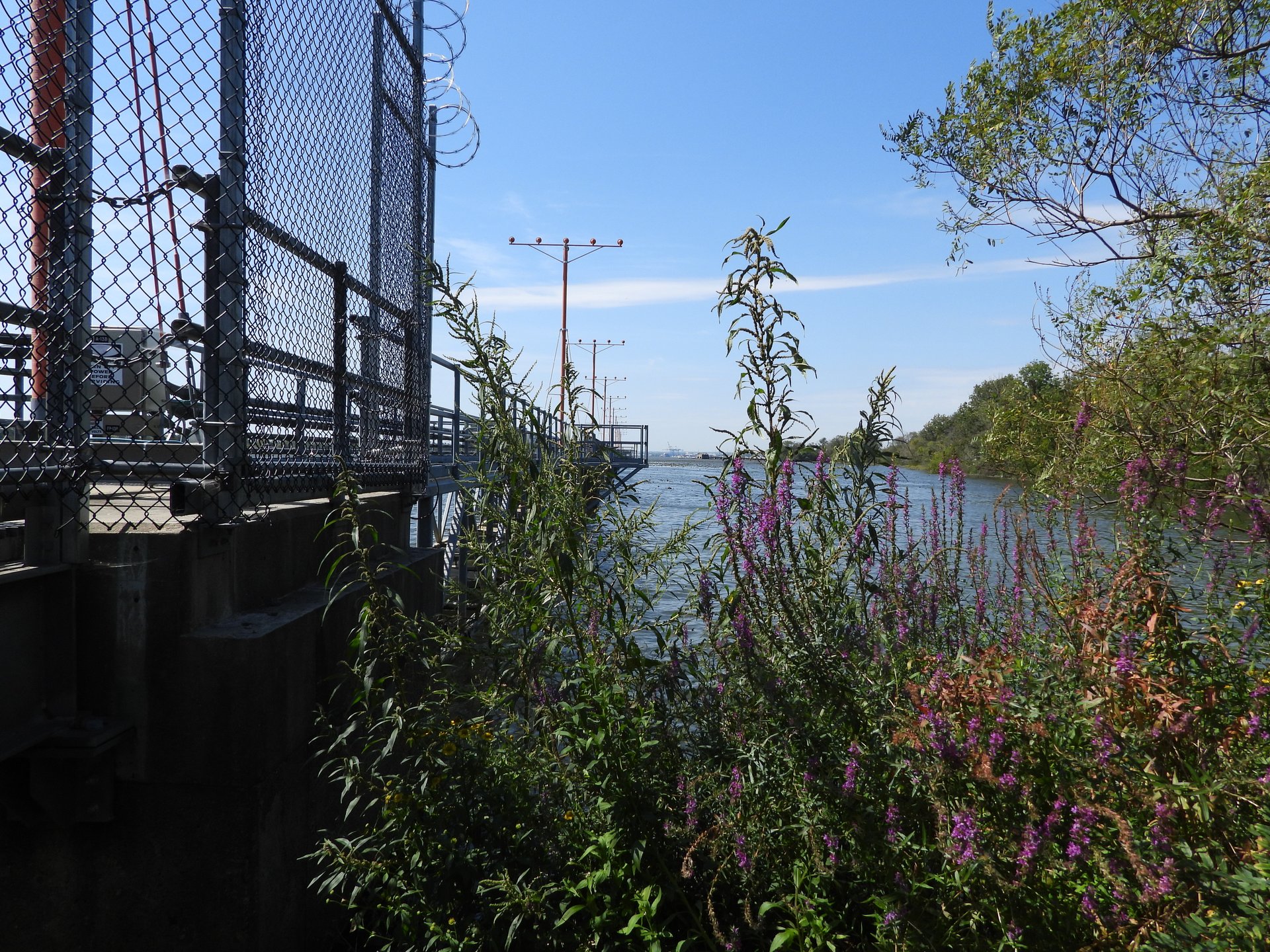
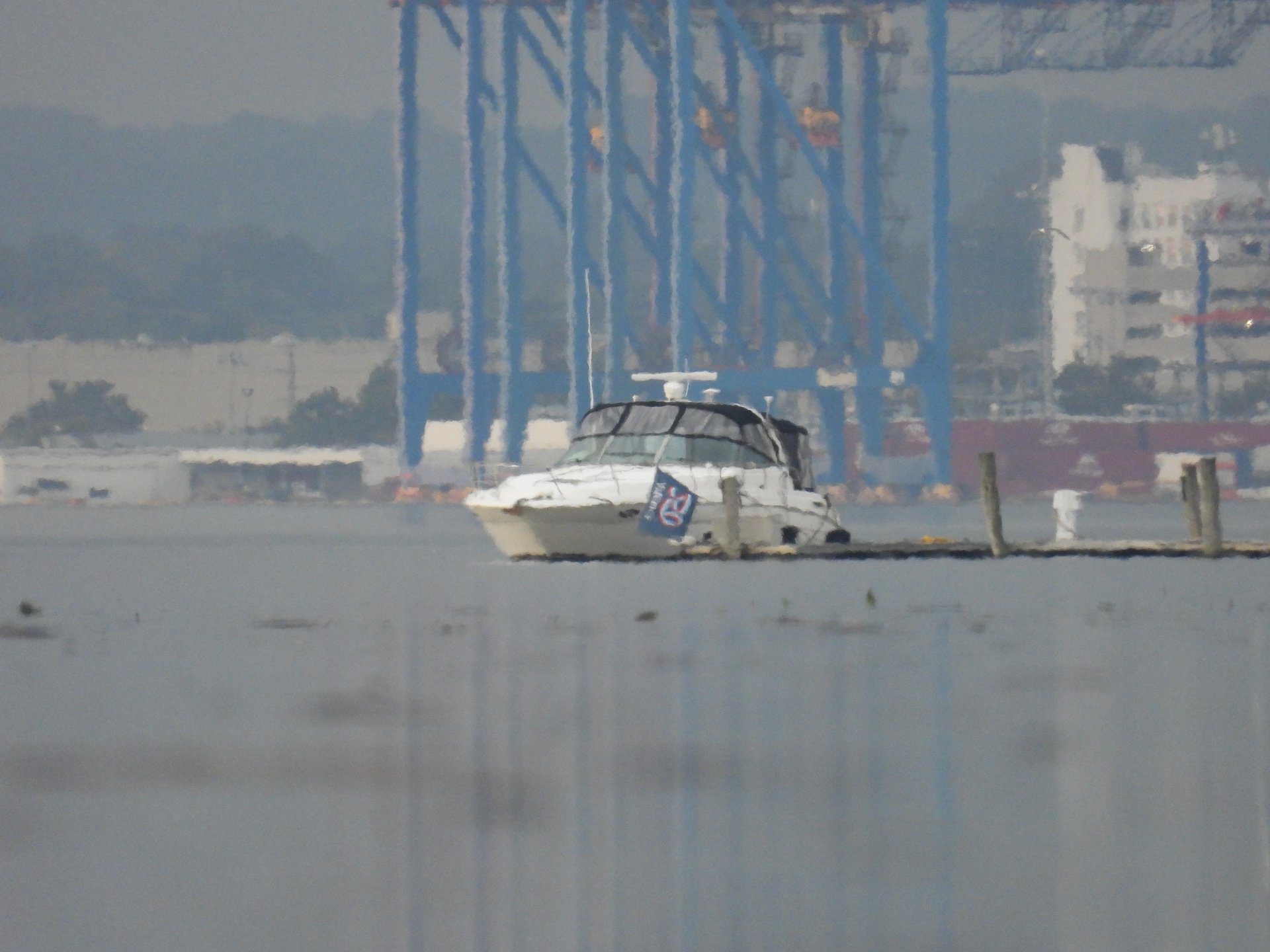
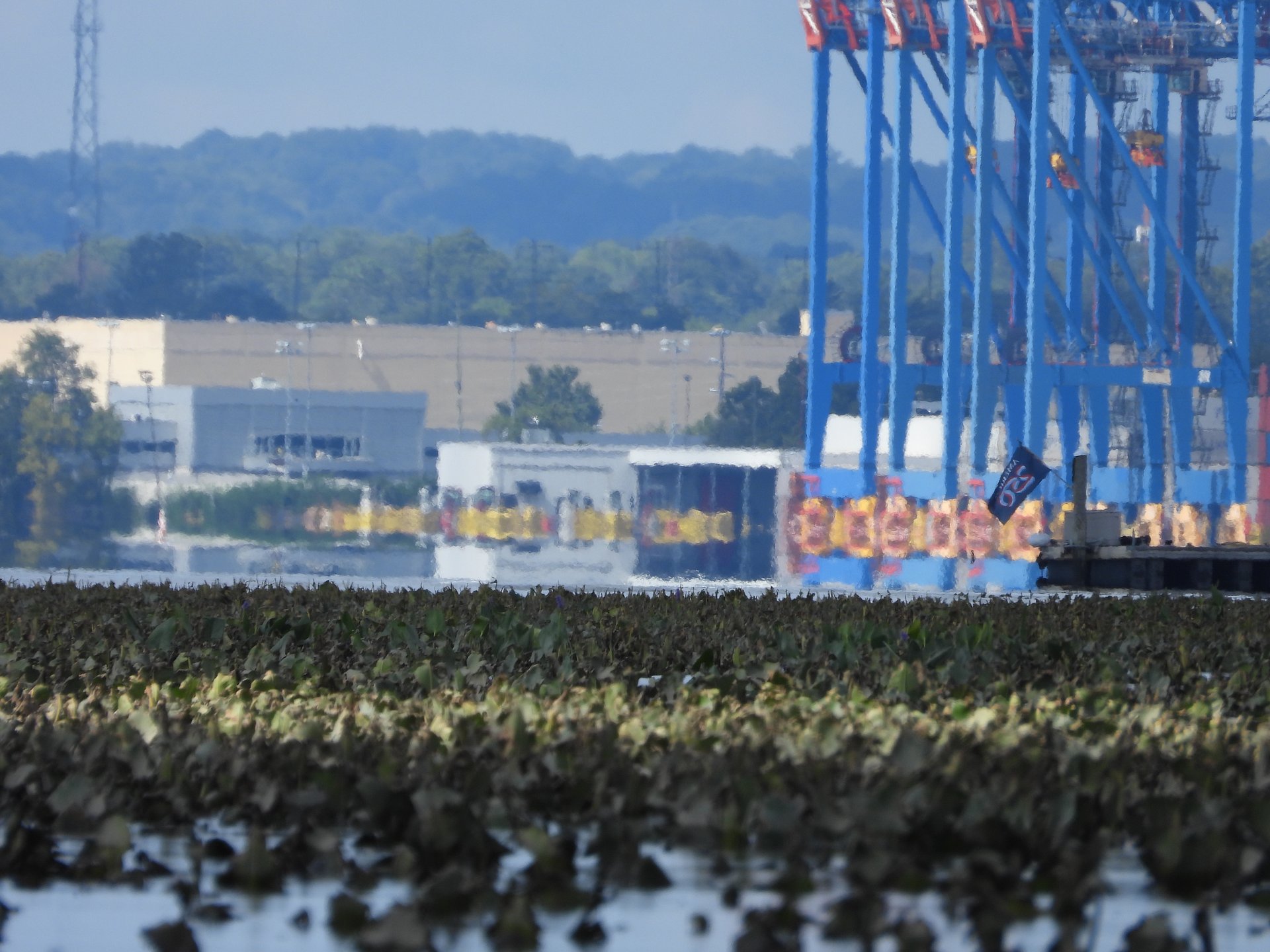
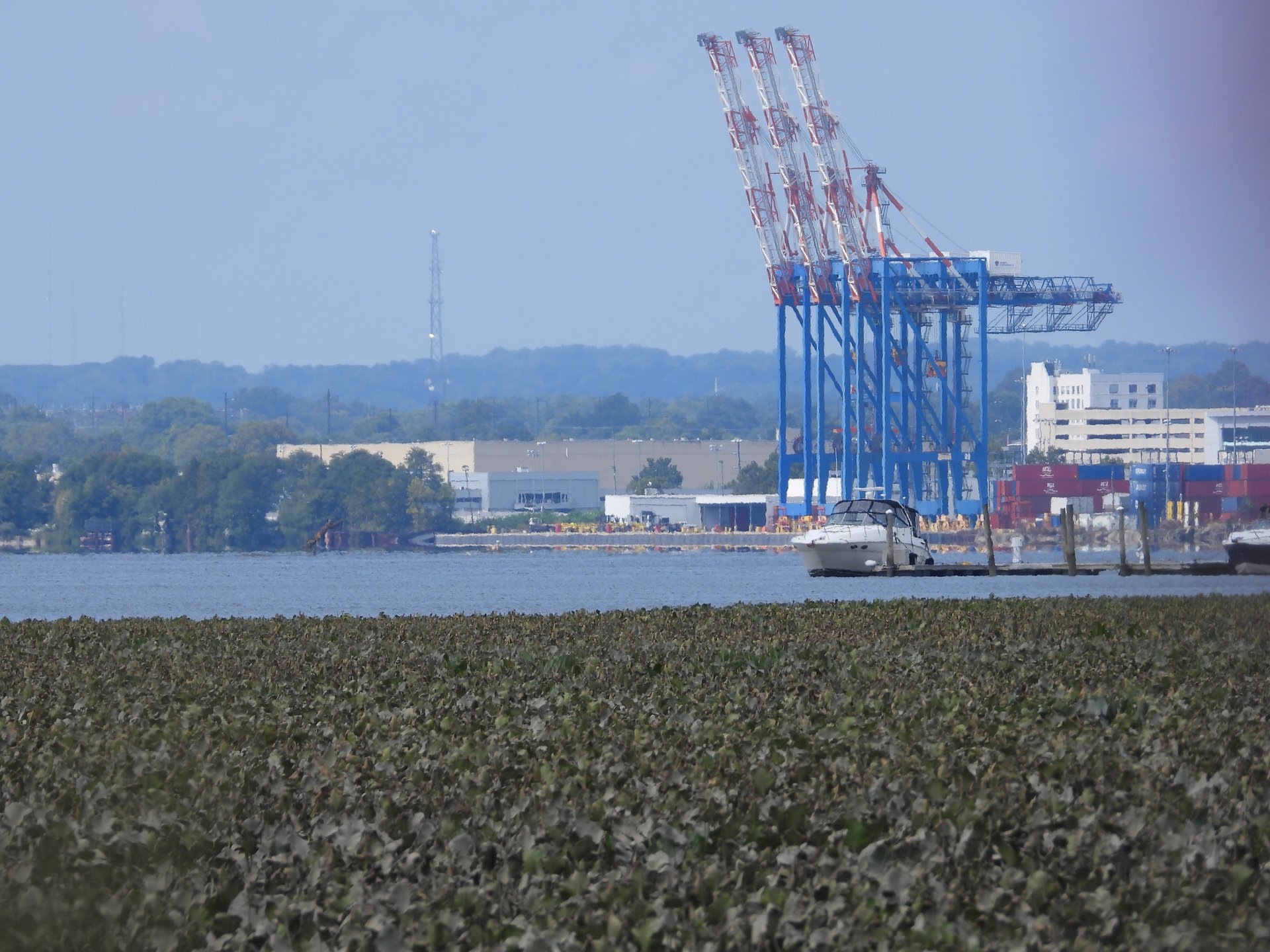
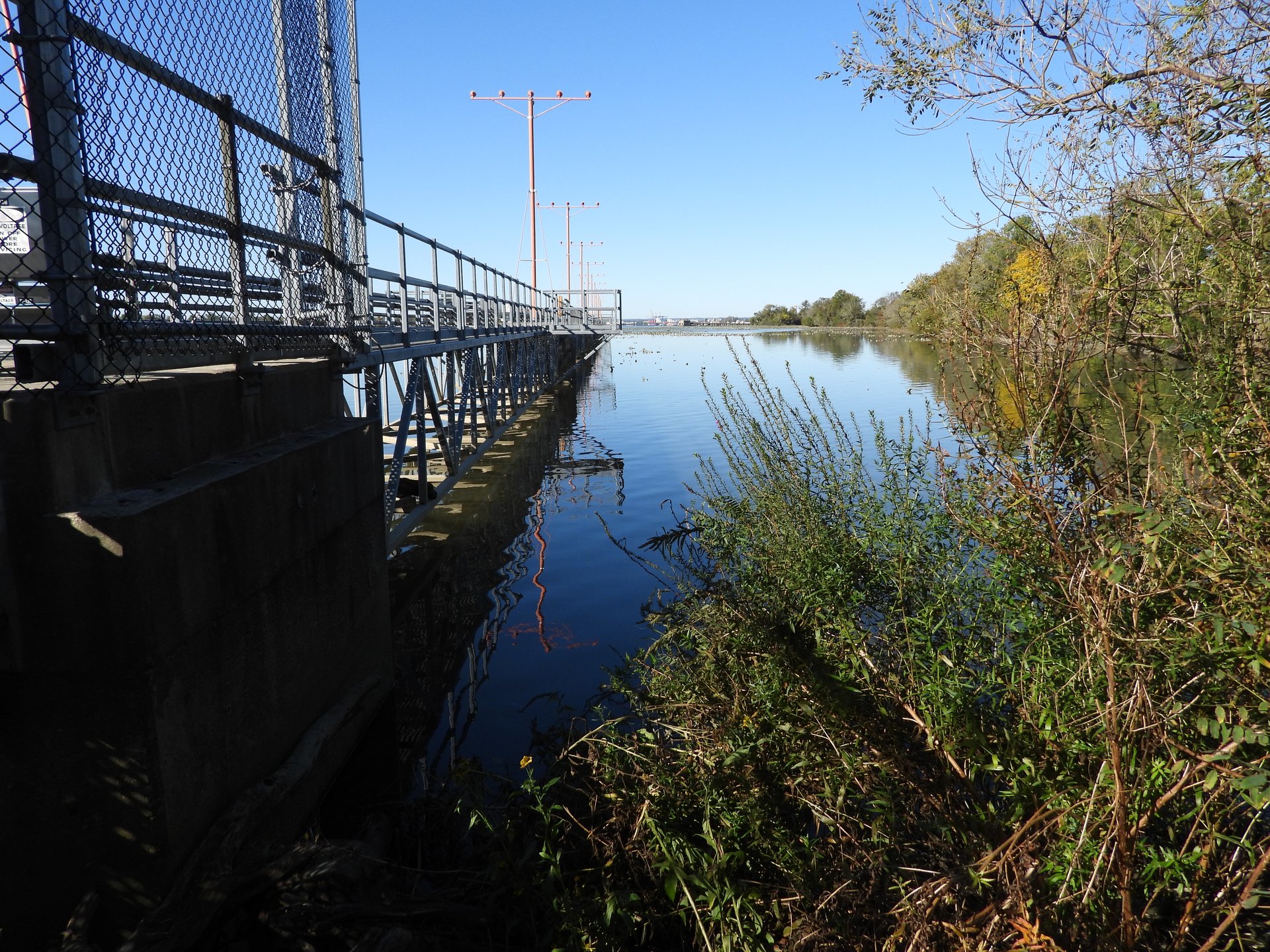
Starting in April of 2026 I've been getting these observations over a stretch of the Delaware River, just south of the Philadelphia Airport. With my camera positioned a few inches over the surface of the water, not only is the horizon not the predicted three quarters of a mile or so away, but I can see boats in the concavity of the water, and see water over top of their bows.
Hog Island Observation by Joe Dubs
Hog Island Rd, Essington, PA 19029
Camera height: center of the P1000 lens is 2-4” above the water for most observations.
- Camera: Hog Island Rd. · 39°51′35.9″N, 75°16′47.0″W
- Building: .56 miles from camera · 39°51′30.4″N, 75°17′27.1″W
- Boat: .68 miles from camera · 39°51′28.5″N, 75°17′34.9″W
- Ship: 3.2 miles from camera · 39°51′02.7″N, 75°20′22.8″W
Some days I can have the camera 6 feet high off the water and not see half as far as other days when it is a few inches high. It all depends on the atmospheric conditions of the day. Contrary to what is claimed, we see farther when there is less refraction occurring.
Refraction model · angular equality
Parent geometry: 4-inch lens height · 3-foot bow at 0.68 miles · shoreline water at 3 miles—not a horizon.
Conventional standardk = +0.143
Refraction needed to match this observationk ≈ +6.458
Downward bending needed45.2× standard refraction
To match this observation, this convex-Earth model requires light to bend downward 45.2 times as strongly as standard refraction. This is a calculated requirement, not a measurement of the atmosphere.
Reported observation, assumptions & clearance
The observer reports approximate equality between the angular bow-top-to-waterline span and the water band above the bow to shoreline water. The same relationship is reported for April 15, 2026, April 16, 2026, and October 2, 2026 only. This parent fit uses its 4-inch lens height; each linked observation uses its own recorded lens height in its comparison.
Assume the lens center is above local water; the bow top is 3 feet above its local waterline; and shoreline water is genuinely behind the bow on the same sightline. Heights, alignment, distances and approximate angular equality are observer-provided, not calibrated angular measurements. No detectable inferior miraging does not mean zero refraction.
Constant ray curvature, positive k downward; small-angle parabolic convex-Earth approximation. θ(z,d) = (z−h)/d + (k−1)d/(2R). Set θ_far−θ_bow = θ_bow−θ_waterline, giving k = 1 + 2R[(2b−h)/x + h/D]/(D−x). Use consistent units internally; the Earth radius is 3,958.76 miles. Predicted equal angular spans: 2.872 arcminutes each.
The equality fit puts the shoreline-water ray 6 feet above local water at the boat: 3 feet of clearance above the bow. Merely grazing the bow instead requires k ≈ +3.607 (25.2× standard). That lower threshold is not the angular-equality requirement.
This constant-curvature fit cannot reconstruct layered refraction, displaced or inverted mirage images, or an atmospheric refractive-index profile. It is not a measurement of the atmosphere or a test that excludes all layered explanations. No apparent-horizon fit is implemented here.