I’ve added a new batch of books, diagrams and illustrations to Librarium Esotericum, the free online esoteric library.
New translation: Astronomy of the Caesars
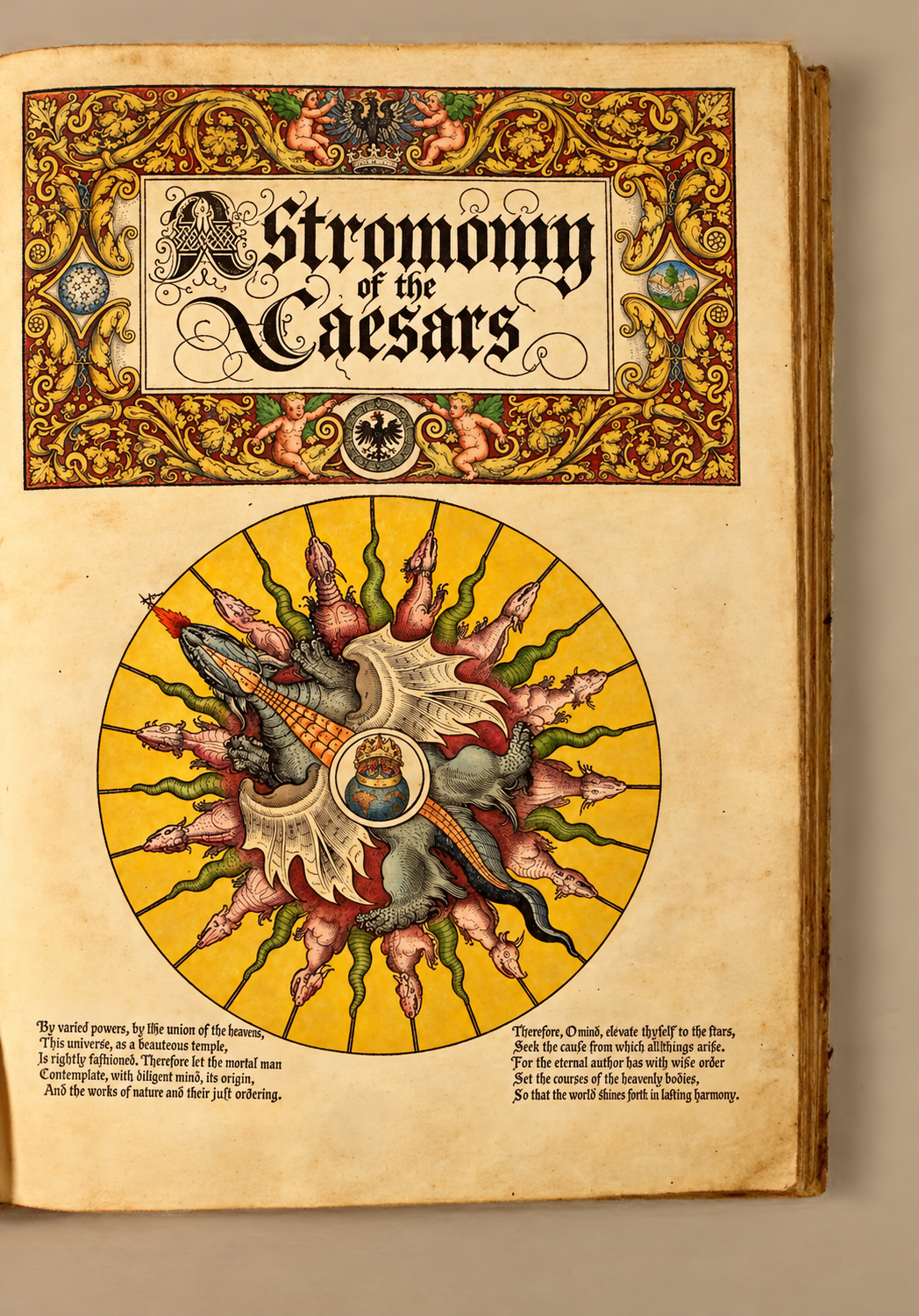
Peter Apian’s Astronomicum Caesareum, printed in 1540 and dedicated to Emperor Charles V. It’s one of the most beautiful science books ever made: a working paper computer full of hand-colored dials you turn to find where the planets are and when eclipses will happen.
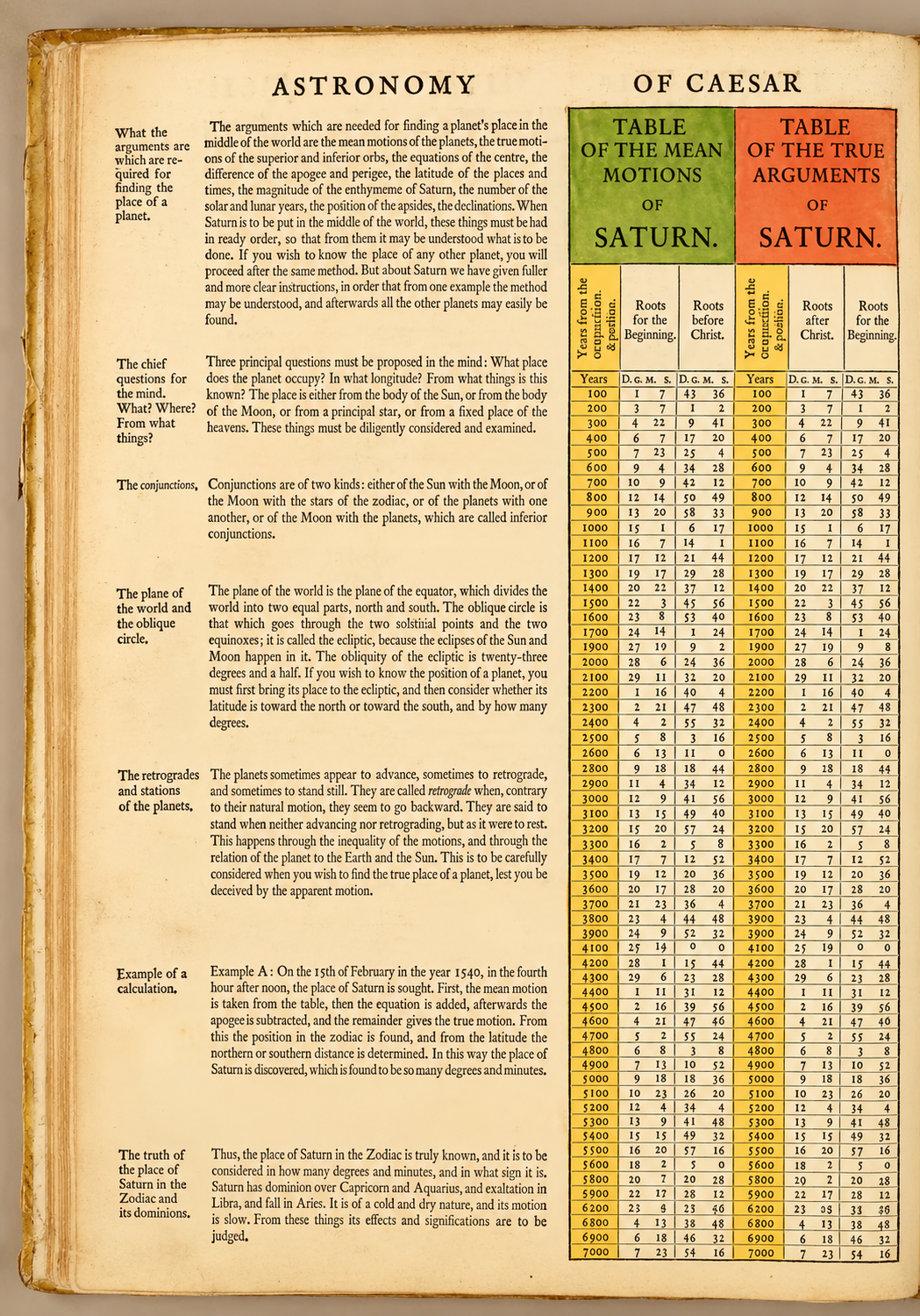
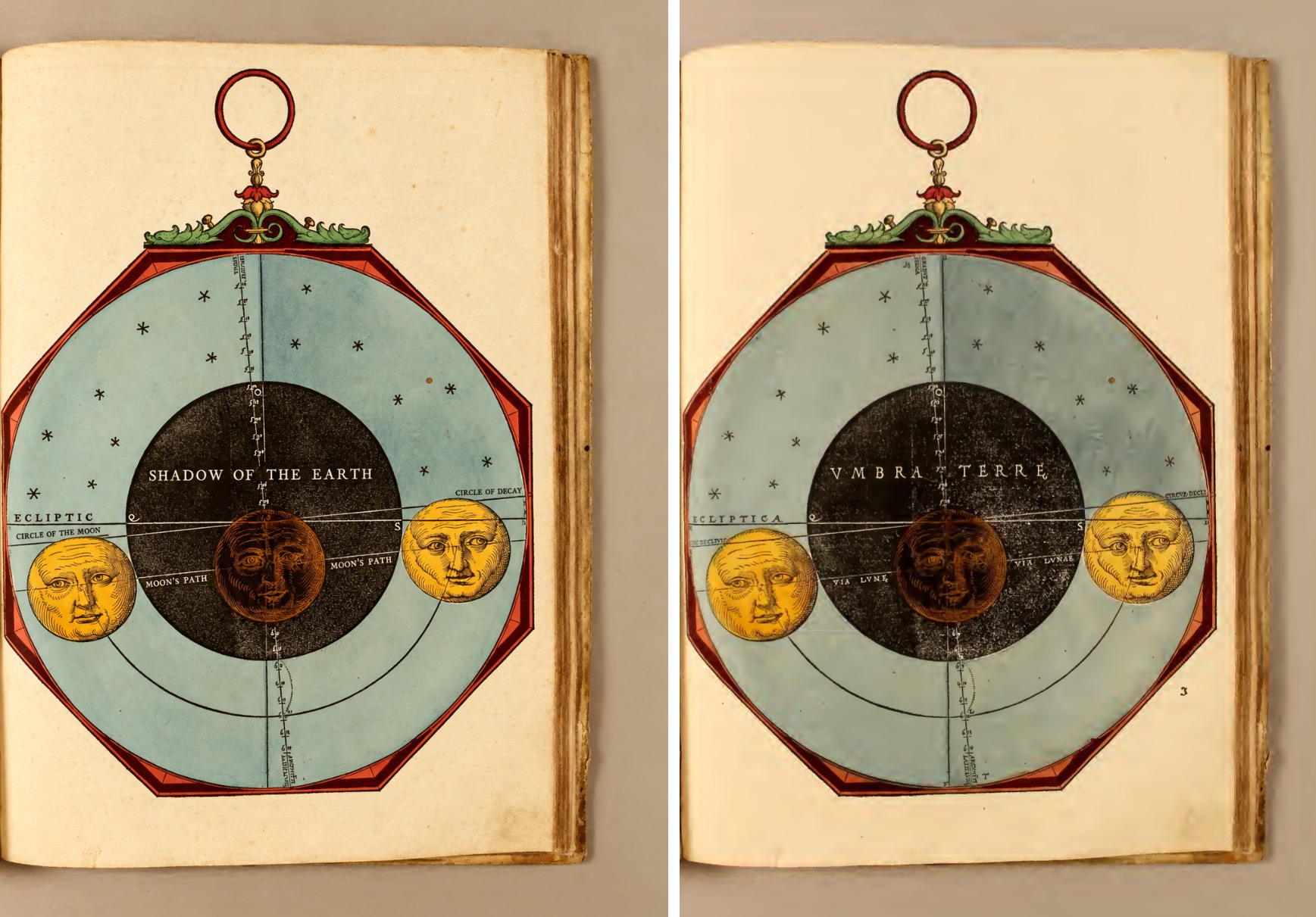
Until now you needed Latin to read it. This English edition redraws all 121 pages with the text in English while keeping the original artwork and color. There’s also a side-by-side version that puts each English page next to the original Latin.
Enter the Esoteric Library
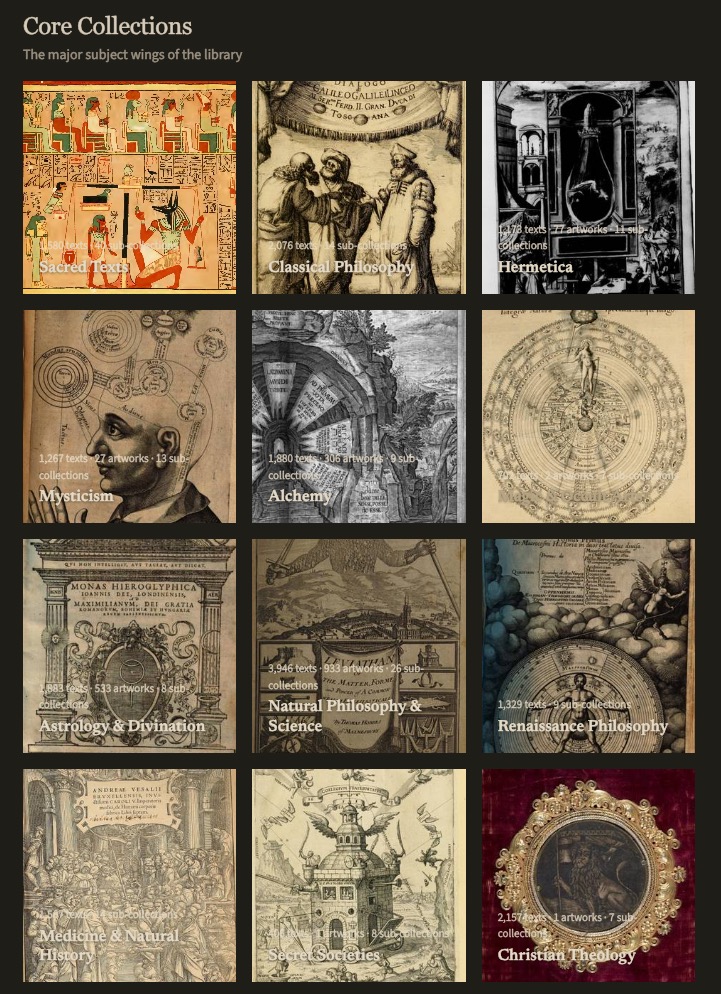
Start at the library itself: Librarium Esotericum is a free online collection of books and images gathered around forgotten histories, esoteric traditions, natural philosophy, and the old sciences.
For Hermes, alchemy, and occult philosophy: enter Occultum Hermeticum. It is a good place to begin if you want the writings associated with Hermeticism, alchemy, Kabbalah, and Rosicrucian traditions in one room.

For mathematics, music, geometry, and cosmology: browse Quadrivium Archivum. The old quadrivium treated number, proportion, harmony, and the structure of the heavens as related subjects rather than separate academic departments.


ICYMI:

The latest major piece on the site follows A New World Discovered, a 1917 book by Orville Fowler Barcus based on observations over bodies of water in China. Barcus compared flat, convex, and concave models of the Earth’s surface and recorded what he believed the distant waterline was doing.
Whatever conclusion you draw from it, the book is a fascinating example of someone trying to turn an unusual observation into a complete argument. I’ve preserved the work chapter by chapter in The Cave, including the original questions about mirages, reflections, distant vessels, and observation methods.
Halloween’s almost a month behind us, but I still owe you a treat. This one was hiding at the bottom of the bag.

Be sure to also check out Source Library, the world’s largest library of AI-translated ancient sources. It’s pretty amazing, and free.
Source Library
Discover more from JoeDubs
Subscribe to get the latest posts sent to your email.
