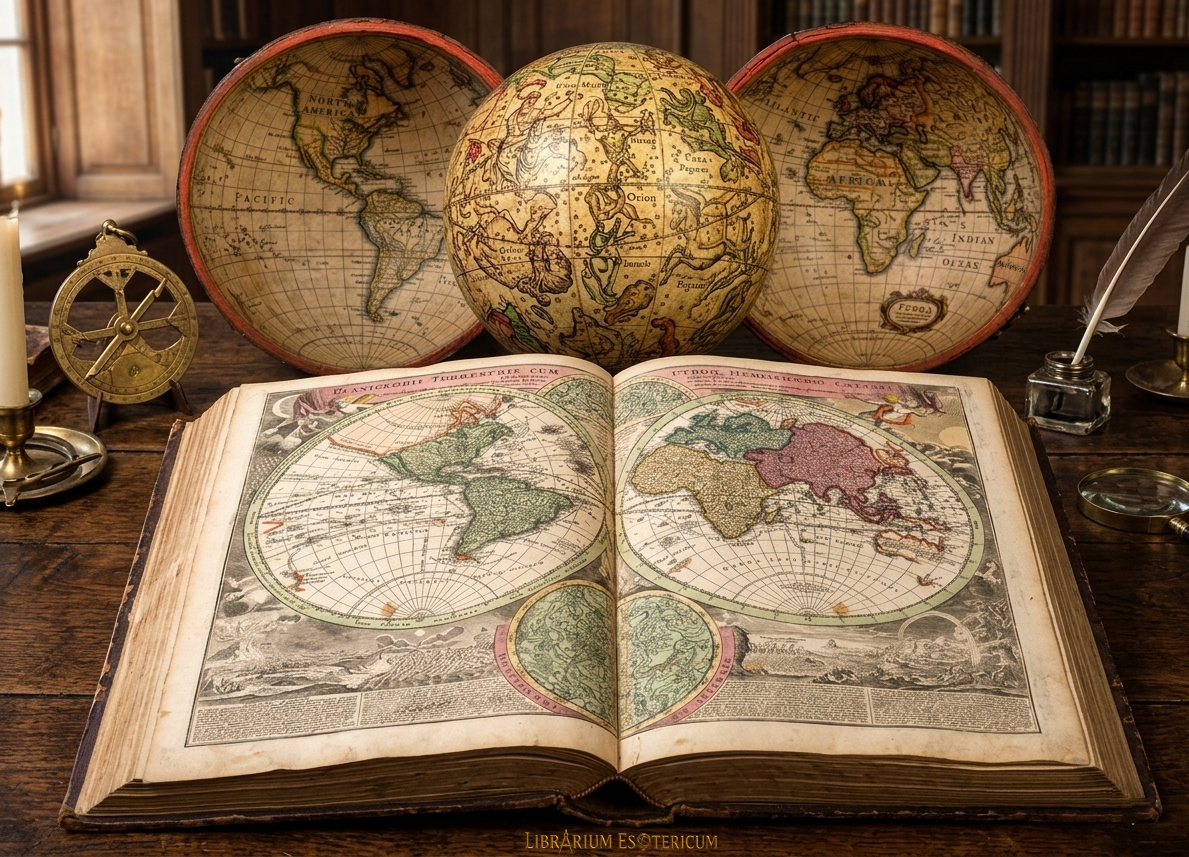
Velikovsky begins "East and West" with a simple mechanical question. Earth now turns west to east. The Sun now rises in the east and sets in the west. Was east always the place of sunrise?
The chapter answers by following a trail of old testimony. Herodotus heard it from Egyptian priests in the fifth century before the present era. They told him that within their historical record the Sun had changed its course four times:
"Four times in this period the sun rose contrary to his wont; twice he rose where he now sets, and twice he set where he now rises."
That sentence was not obscure. The priests described sunrise and sunset changing places. The later commentators tried to make it safer. Joseph Scaliger tested the Sothic cycle and rejected it: "No reversal of sunrise and sunset takes place in a Sothis period." Humboldt tried precession, but precession does not exchange orient and occident. East and west do not trade places in a slow calendar correction.
Pomponius Mela gives the sharper version. He says the Egyptians had authentic annals recording that "the course of the stars has changed direction four times," and that the Sun had twice set in the part of the sky where it rises today. Mela is not merely repeating Herodotus. Herodotus gives the reversed Sun. Mela adds the reversed stars.
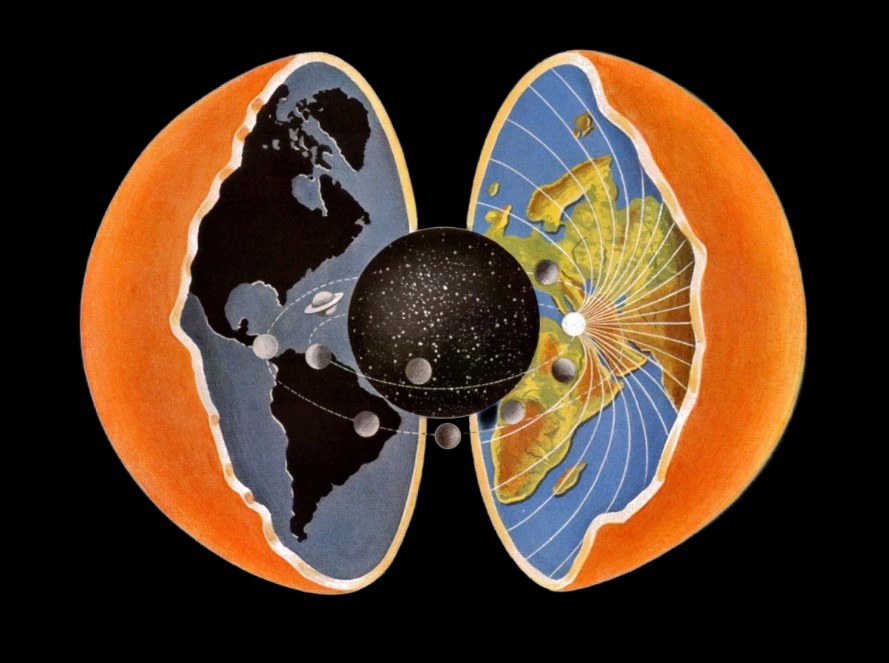
The old record reaches past a backward sunrise. It keeps collecting language of reorientation: Sun, stars, cardinal quarters, poles, and eventually magnetic stone. The surrounding cosmic-reversal material widens the field into tragedy, myth, Gnostic apocalypse, Hermetic cosmology, and Phaethon's broken sky. The same motion appears in different registers.
The Egyptian material is blunt. The Magical Papyrus Harris speaks of fire and water when "the south becomes north, and the Earth turns over." Papyrus Ipuwer says "the land turns round as does a potter's wheel" and that the "Earth turned upside down." The Ermitage Papyrus says the catastrophe "turned the land upside down" and brought something "which never yet had happened."
The point is directional before it is theoretical. South becomes north. The land turns like a wheel. The Earth turns over. The record is not describing a better calendar. It is describing failed orientation.
Velikovsky then brings in Harakhte, the western Sun. Since there is only one Sun in the sky, Harakhte is usually smoothed into a name for the Sun at setting. But the text says, "Harakhte, he riseth in the west." The Pyramid Texts say the luminary "ceased to live in the Occident, and shines, a new one, in the Orient." After a reversal like that, the ordinary words need repair. The chapter notices Egyptian clarifications such as "the west which is at the sun-setting," as though west and sunset were no longer naturally identical.
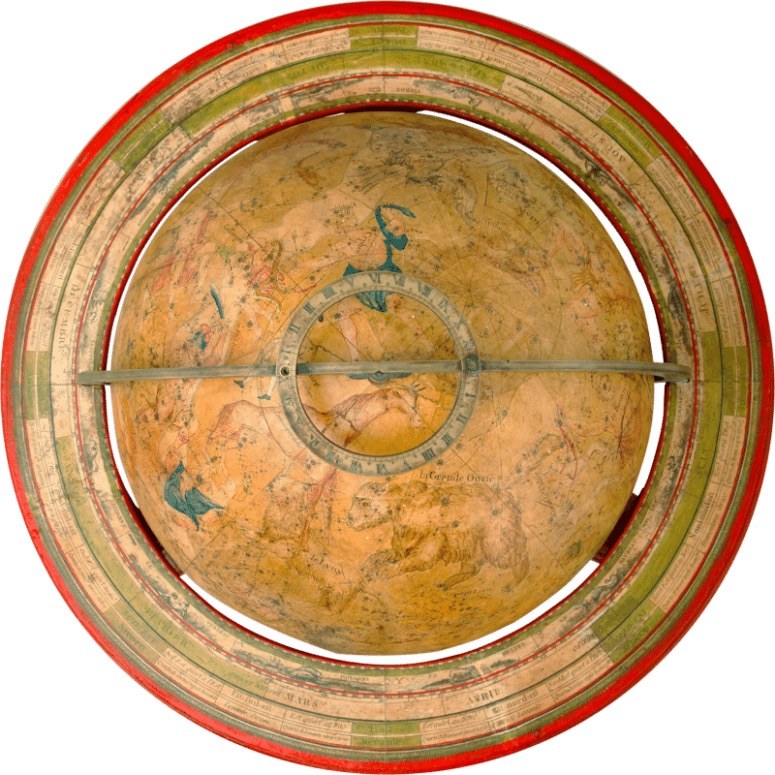
The Senmut ceiling carries the same disturbance into the stars. The tomb ceiling of Senmut, architect of Hatshepsut, shows the southern sky in reversed orientation. Orion appears to move eastward instead of westward, "in the wrong direction." Velikovsky reads the panel as a memory of the sky before the interchange of east and west, north and south.
That makes Mela's added detail important. A backward sunrise could be isolated as one strange solar tradition. A backward sunrise with reversed stars becomes a sky-wide problem. The heavens have changed direction.
Greek sources keep the pattern moving. Plato says in The Statesman that there were ages when the Sun and the other heavenly bodies set where they now rise, and rose where they now set. Then he names the scale of it:
"Of all the changes in the heavens this reversal is the greatest and most complete."
Plato ties the reversal to destruction. Animals perish. A small remnant of mankind survives. The changed sky marks the end of an age.
The same section of the packet brings in Sophocles and Euripides. Sophocles says the Sun rose in the east only after Zeus reversed its course. Euripides, in Electra, has Zeus turn the stars backward along their fiery path. Solinus, writing later, says Egyptians preserved the memory that "the sun now sets where it formerly rose."
The tragic and apocalyptic sources give the same motion a darker body. Seneca, in Thyestes, gives the terror of a world whose alternations have failed: "no setting, no rising shall there be again." In Hercules Oetaeus, Deianira imagines a reversed order where midday boils with collected stars. The old false story of Hercules' double night has Lucifer and Hesperus changing places, the morning and evening stars trading their stations.
The Phaethon cycle keeps returning to the same broken machinery. In Nonnus, the Morning Star pushes past the Evening Star in the west and takes its place. Ovid and Lucretius give the burning face of the event: the solar chariot leaves its true course, races outside its proper zone, and the Earth withers under the blast. These are not quiet omens. The stories are built around wrong motion.
The same notes point to star disorder beyond the classical tragedies. In Gnostic apocalypse, the stars disregard their course. In Manichaean chaos, stars whirl wildly and planets fall out of orbit. Seneca imagines the Bear, the constellation that never touches the sea, being plunged beneath the all-engulfing waves. Nonnus lets the Serpent twist back on itself, Virgo dart out of the Zodiac toward the North Pole, and the planets jostle from their places. The Zodiac itself is pictured falling with the fallen constellations.
The Hebrew trail is just as direct. In Tractate Sanhedrin, seven days before the Deluge, "the Holy One changed the primeval order, and the sun rose in the west and set in the east." Hai Gaon later refers to cosmic changes in which the Sun rose in the west and set in the east. The chapter adds two names from rabbinical cosmology: Tevel, the world in which the Sun rose in the west, and Arabot, the sky where the rising point was in the west. The Koran's Lord "of two easts and of two wests" enters the same discussion as a directional problem that troubled later interpreters, including Averroes.
Velikovsky is careful about one thing the later retellings often flatten. These references do not all belong to one historical moment. The Deluge, the end of the Egyptian Middle Kingdom, the days of the Argive tyrants, the Exodus material, and world-age traditions sit at different distances from each other. The Egyptian priests spoke of four reversals. The point is not one neat date. The point is that old records kept describing the same kind of displaced sky.
The Exodus material repeats the overturned-land language. Papyrus Ipuwer says the Earth turned like a potter's wheel and became upside down. Papyrus Harris says, "The south becomes north, and the earth turns over." Midrashic texts say the Sun was forced out of its course in the weeks between the Exodus and the giving of the Law. The pillar of cloud moves from before the people to behind them. The sea opens under mountainous tides, then collapses "at the turning of the morning." Psalms says, "the earth feared and was still." Amos speaks of the Sun being brought down at noon.
After such a disturbance, orientation itself becomes unstable. Numbers and Joshua repeatedly use the phrase "the east, to the sunrising." Velikovsky reads that as a definition, not a tautology. It matches the Egyptian phrase "the west which is at the sun-setting." When the old quarters are no longer self-evident, the text has to tell the reader which west and which east it means.
The pattern spreads through world-age traditions. Chinese tradition says the stars have moved from east to west only since a "new order of things" began, and the Chinese zodiac preserves a retrograde peculiarity. A Ugaritic poem says Anat "exchanged the two dawns and the position of the stars." Mexican traditions speak of four motions of the Sun, nahui ollin tonatiuh, tied to prehistoric Suns and world ages. The Sun moving contrary to the present one is called Teotl Lixco. Greenland Eskimos told missionaries that, in ancient times, the Earth turned over and the people then living became antipodes. Andaman Island tradition feared that another catastrophe would overturn the world again.
The same record adds pole and axle language underneath the directional language. In the Typhon battle, the fixed stars disturb the Axis, "the pole that pierces the void of heaven stiff through its middle," until it squeaks and moans. In the Phaethon story, the center axle of Heaven cracks. Seneca imagines final ruin when "heaven, its poles uptorn, should overwhelm us." In Hercules Oetaeus, the southern skies fall upon Libya's plains and the northern heavens overwhelm everything beneath the pole.
This is the older pole-shift vocabulary: displaced quarters, reversed luminaries, stars leaving their stations, poles torn up, heaven losing its axle.
Velikovsky turns next to magnetic reversal. Lava, he writes, can preserve the direction of Earth's magnetic field as it cools:
"When lava cools and freezes after a volcanic outburst, it takes up a permanent magnetization dependent upon the Earth's magnetic field at the time."
He then cites igneous rocks polarized opposite to the present field, with the conclusion that "the polarity of the Earth has been completely reversed within recent geological times." He does not leave the question only in myth. The textual record says the Sun rose from the wrong side, the stars changed direction, the land turned over, and the poles were disturbed. The natural record, as he presents it, preserves reversed polarity in stone.
The Hermetic and philosophical material belongs at the edge of the same subject. Proclus discusses contrary cosmic circulations and rejects the idea that the soul moving the universe would change the ancient circulation. The Corpus Hermeticum says the errant spheres move contrary to the inerrant one. The Phrygian goatherd is "ever turning," impressing the universe with turning motion. These passages are not catastrophe reports in the same direct way as Herodotus, Mela, the papyri, Plato, or Sanhedrin. They show that reversed motion and contrary circulation were thinkable categories inside the old cosmological vocabulary.
That is what the old material preserves best. Not a single clean story. A recurring mechanical language. Sunrise moves to the wrong quarter. Stars reverse, wander, fall, or lose their stations. South becomes north. The Earth turns like a wheel. The poles groan, crack, and tear loose. The world age closes under fire, flood, darkness, and a sky whose order has to be set again.
The old sources keep returning to the same image: people standing under a heaven that no longer tells them where they are. East has to be defined by sunrise. West has to be defined by sunset. The survivors inherit directions with footnotes.
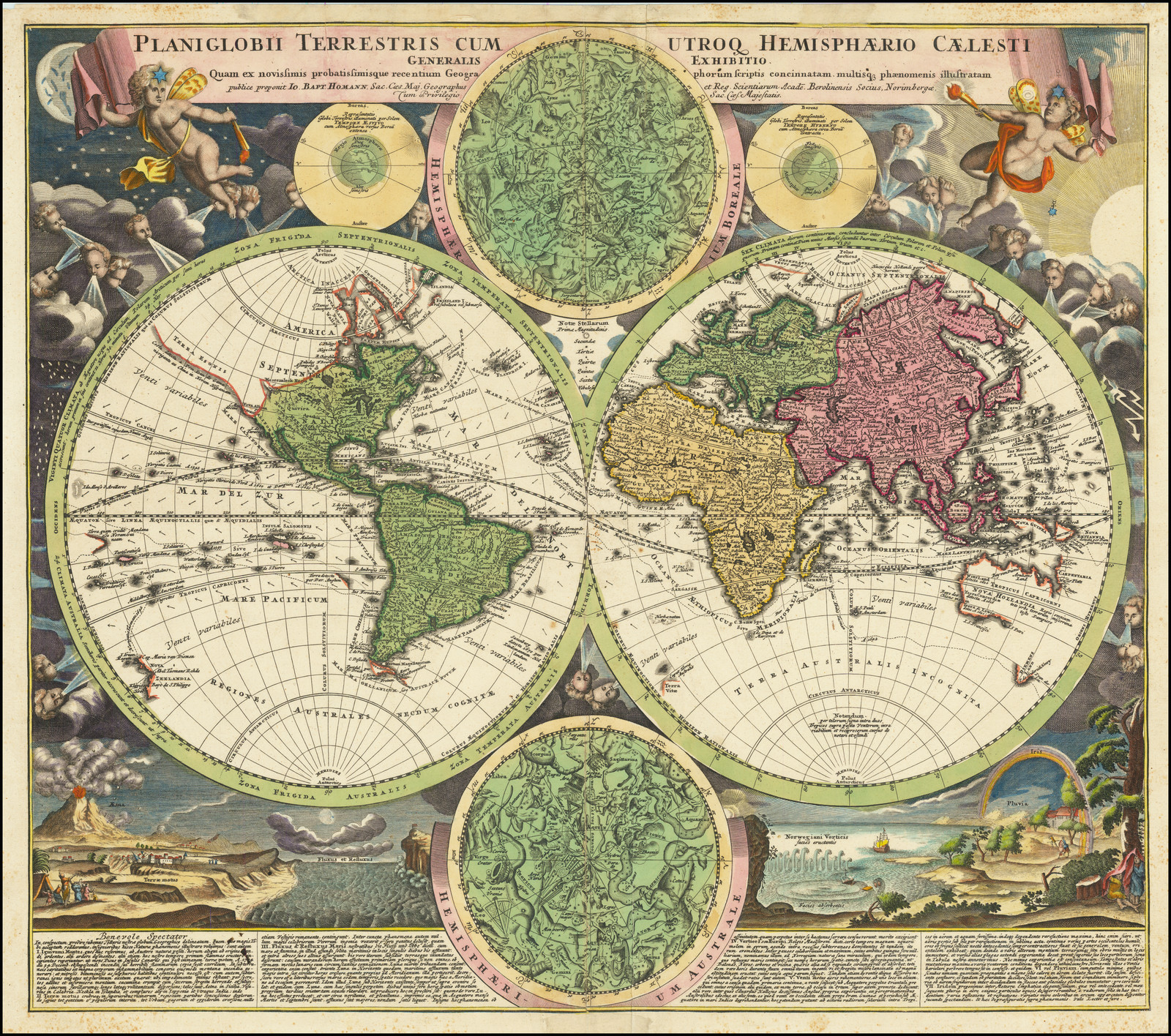
Jesus Reverses the Planetary Spheres
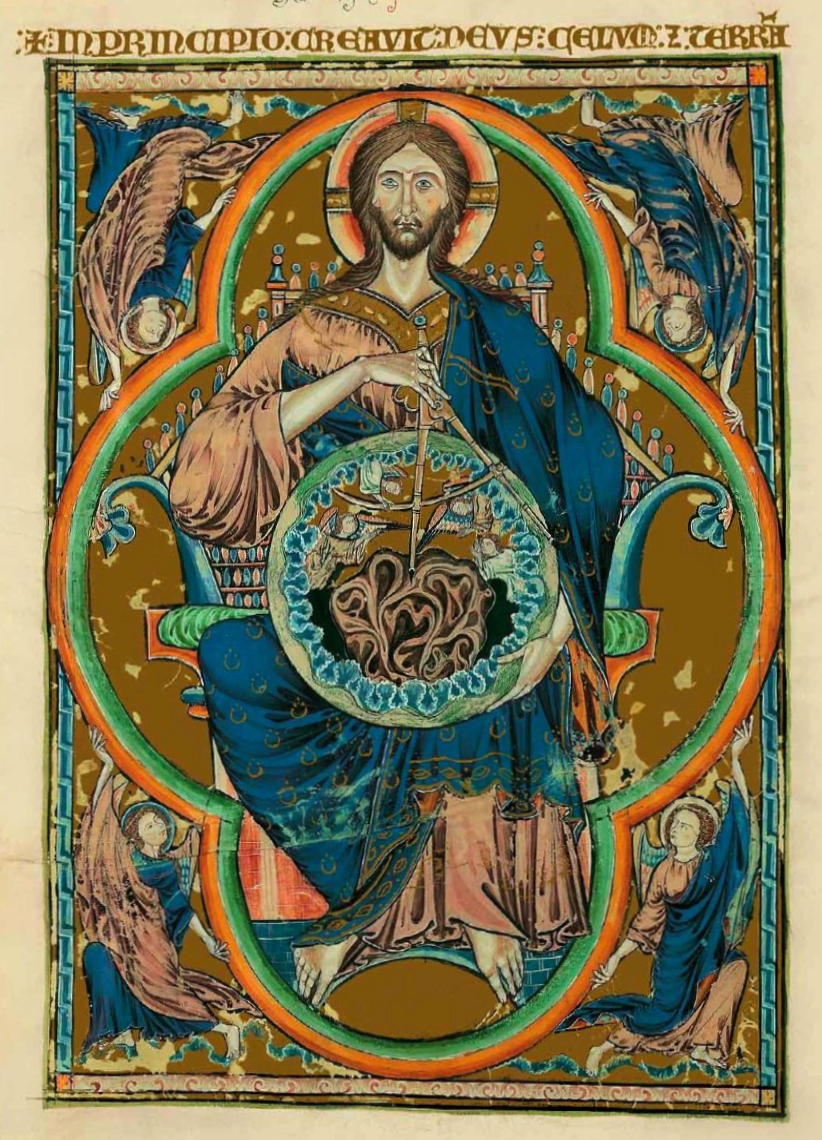
The Gnostic material adds a different version of the same mechanical language. In the Pistis Sophia, the heavens move, but their motion also helps administer fate.
The planetary rulers and aeons are described as a working system. They turn, calculate, bind, and distribute influence over human souls. The spheres are not decoration around the world. They are the machinery of the world-order.
Then Jesus interferes with the machine.
The text says he changed the paths of the spheres so that for part of the year they face one way, and for the other part they face the other. The motion is deliberately disrupted. The rulers can no longer calculate the same way. Their circuits no longer deliver the old certainty. Fate becomes confused because the sky's accounting system has been knocked out of alignment.
That is why this passage belongs at the end of the reversal trail. Herodotus gives the Sun rising where it used to set. Mela gives the stars changing direction. Plato gives the universe turning the other way. The Egyptian papyri give the land turned upside down. Pistis Sophia gives the theological version: the planetary spheres reversed by an act of rescue.
In the catastrophe texts, reversal terrifies the world below. In the Gnostic text, reversal terrifies the rulers above. Same motion, different victim.
The old cosmos was never just scenery. It was law, fate, calendar, authority, memory, and prison at once. To reverse the heavens was to do more than change the sky. It was to break the mechanism that told the world what it was.