The first objection is visual: if we lived on the inside of a sphere, why wouldn't the ground obviously curve upward?
Because the eye is not built to read planetary geometry from the surface.
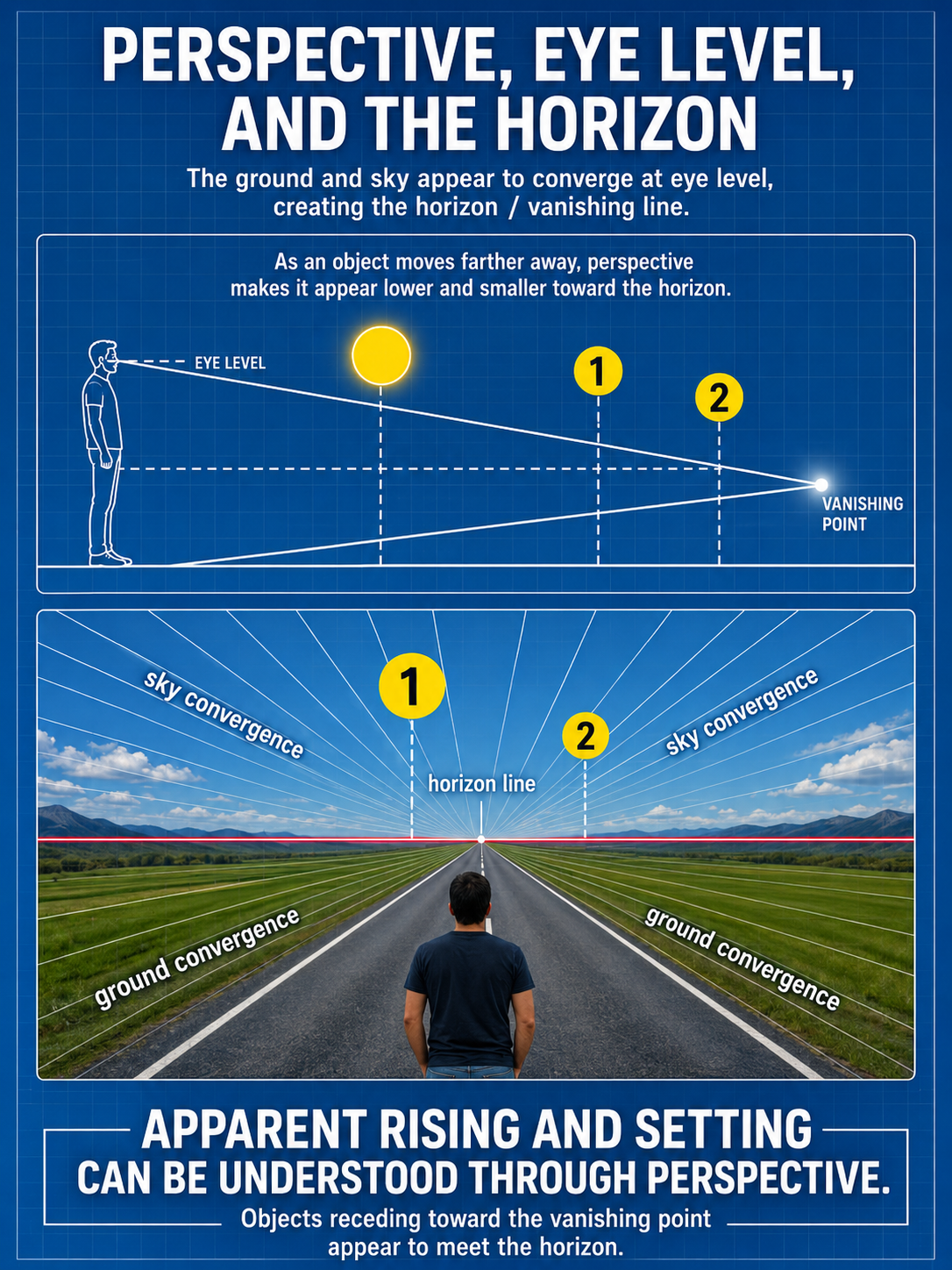
A person standing on the outside of a globe does not see a globe. He sees a local floor, a horizon line, atmosphere, distance haze, and objects shrinking into perspective. The same problem follows the concave model. Flip the curve inward and the observer still lives at human scale. The world still reaches the eye through air, light, distance, and expectation.
The surface could rise eight inches in a mile and still vanish inside ordinary vision. That number sounds large on paper because paper is where geometry behaves itself. Outside, one mile is already a long visual field. Eight inches gets swallowed by terrain, waves, haze, lens height, eye height, and the simple fact that distant ground already appears to lift toward the center of vision.
Joe's railroad example gets the point across cleanly. Stand beside a track on a flat plain and watch the rails run toward the horizon. The far track appears higher than the near track. The train seems to climb into the distance. Nobody thinks the rails are actually rising. Perspective is doing the lifting.
Now put that same observer on the inside of a vast sphere. The surface may really rise away from him, but the eye is already converting distance into apparent elevation. The physical rise does not arrive as a dramatic bowl. It arrives as the same old horizon the mind expects to see.
That is why the question is not, "Why can't I see the curve?" The better question is, "What would the curve look like after perspective and atmosphere finish chewing on it?"
Charles Willing Beale understood this in The Secret of the Earth in 1899. His inner-world story pauses to answer the reader's obvious objection: how can there be a horizon inside a hollow Earth? Beale's answer is practical. The characters' line of sight reaches only so far through the dense inner atmosphere. Over that distance, he says, the concavity is no more apparent to them than convexity is to us.
That sentence matters because it treats the inner world as an optical problem, not a cartoon. Beale knew the inside of a sphere would not look like standing in a cereal bowl. It would look local. It would have haze, a skyline, limited visibility, and a practical horizon. The geometry would be real, but the eye would meet it through conditions, not through a diagram.
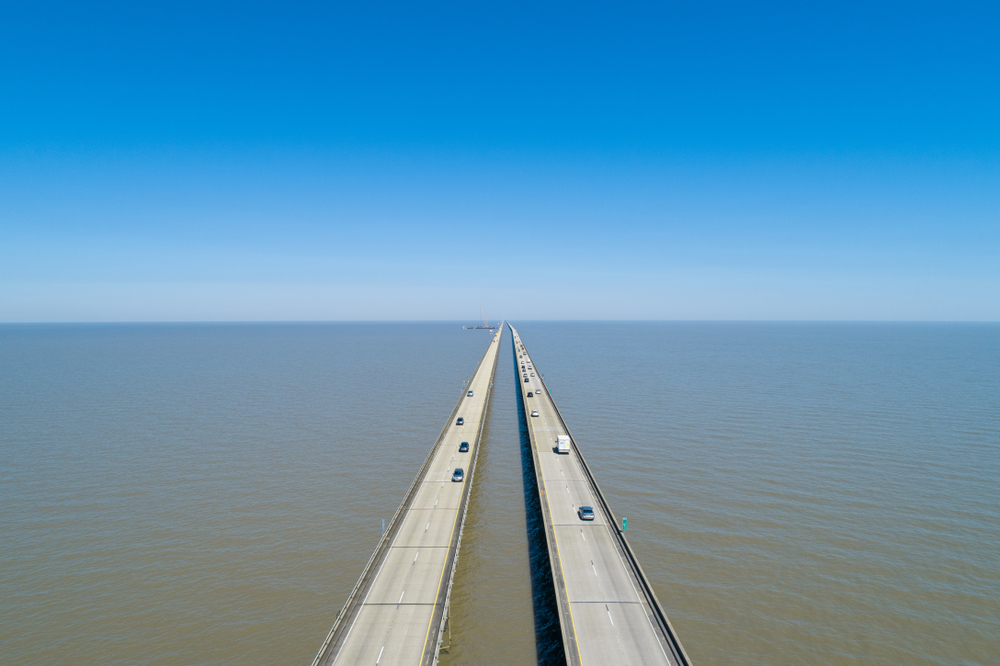
The ordinary globe model has the same problem in reverse. People do not look out from a beach and see a ball falling away beneath them. They see a line. Then the explanation arrives afterward: observer height, distance, curvature, refraction, visibility, angular resolution. The convex reading already depends on interpretation. It is not pure sight.
The concave reading makes the same demand in the other direction. Apparent local flatness cannot settle the model. The horizon has to be treated as a visual event: surface shape, light path, atmosphere, perspective, and observer position all meeting at the eye.
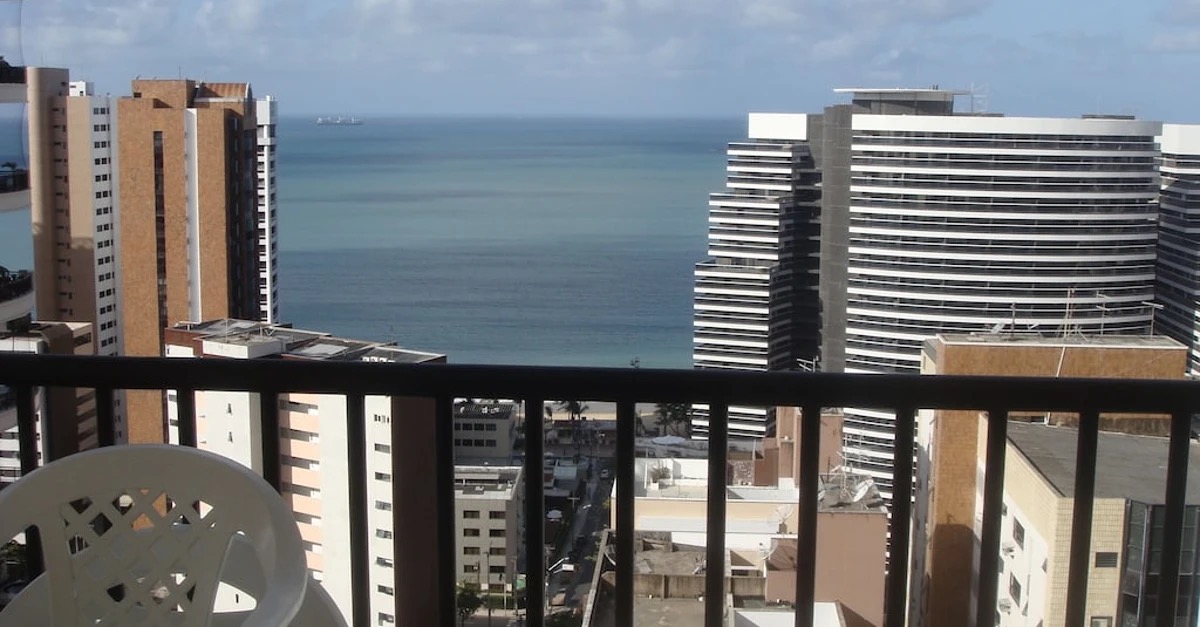
Observer height changes the whole picture. Step higher and the horizon changes with you. Climb a building, a tower, a hill, or an aircraft and the visual boundary moves. That does not mean the eye suddenly sees the true shape of the world. It means the observer has changed the geometry of the sightline.
This is where the simple cartoon breaks. The world does not hand you a naked curve. It hands you a view filtered through height, distance, air, and light. A higher view may show more land or water, but it still gives an appearance. The model comes later, when someone decides what that appearance means.
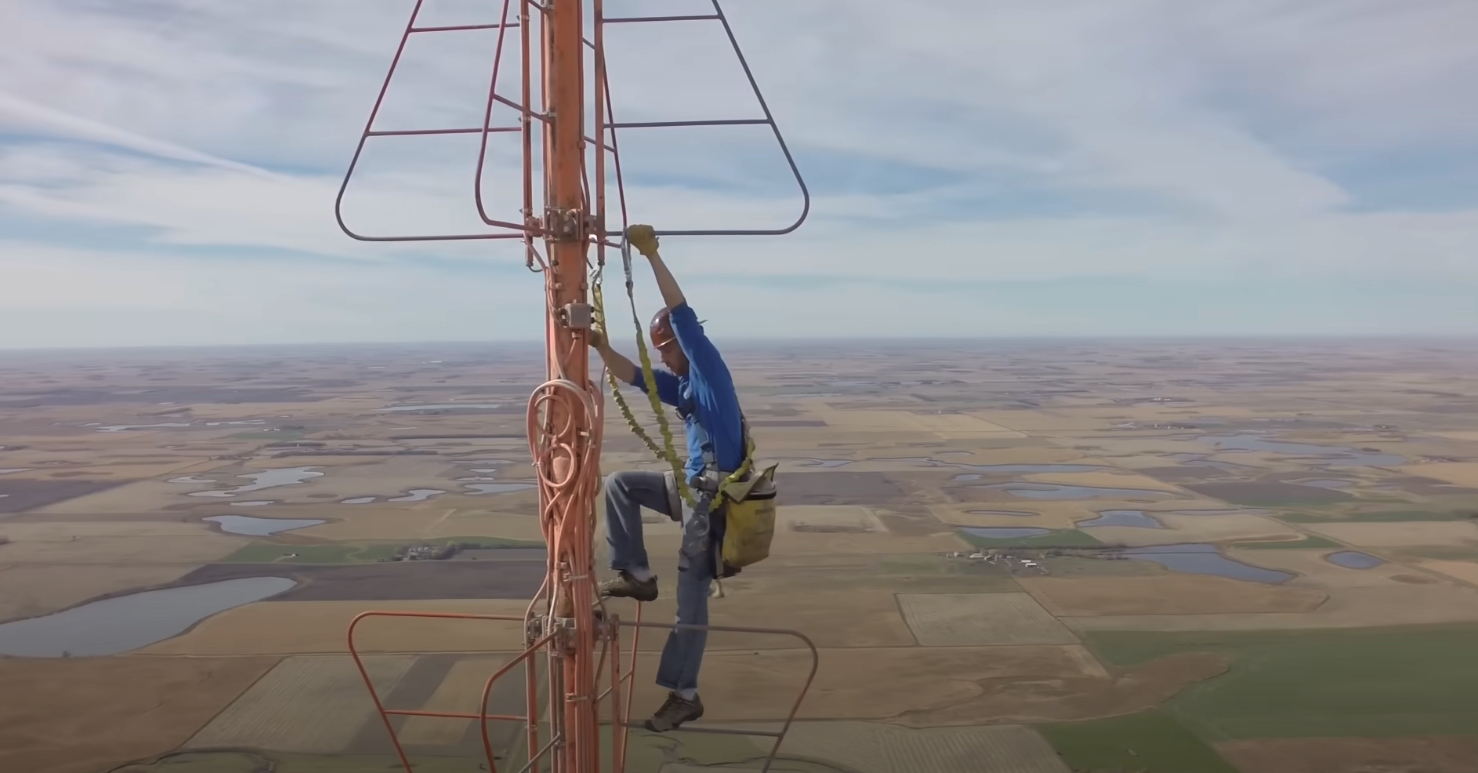
That is why long-distance observations matter so much in this argument. A nearby road, field, beach, or lake will never confess the world's shape on its own. The curve is too large and the observer is too small. The argument sharpens only when distance stretches the visual field far enough for model assumptions to show themselves.
Ships, mountains, buildings across water, balloon reports, high-altitude views, and old horizon arguments all belong to the same room. They are not separate curiosities. They are attempts to catch the world at a scale where local flatness stops being enough.

The inner world would still look flat because every world looks flat from the feet of the creature standing on it. Sight does not hand over cosmology raw. It hands over appearances. The model is built from what we think those appearances mean.
That is the whole trick. People expect a concave Earth to look absurd at street level, as if the ground should curve up like the wall of a skate bowl. But no planetary model works at street level that way. The Earth is too large, the observer is too small, and the eye is too busy cleaning up the scene into something useful.
A concave world would not look like a bowl under your shoes. It would look like a world: near ground underfoot, distance compressed, sky above, haze ahead, and a horizon that feels obvious until someone asks what it is actually showing.