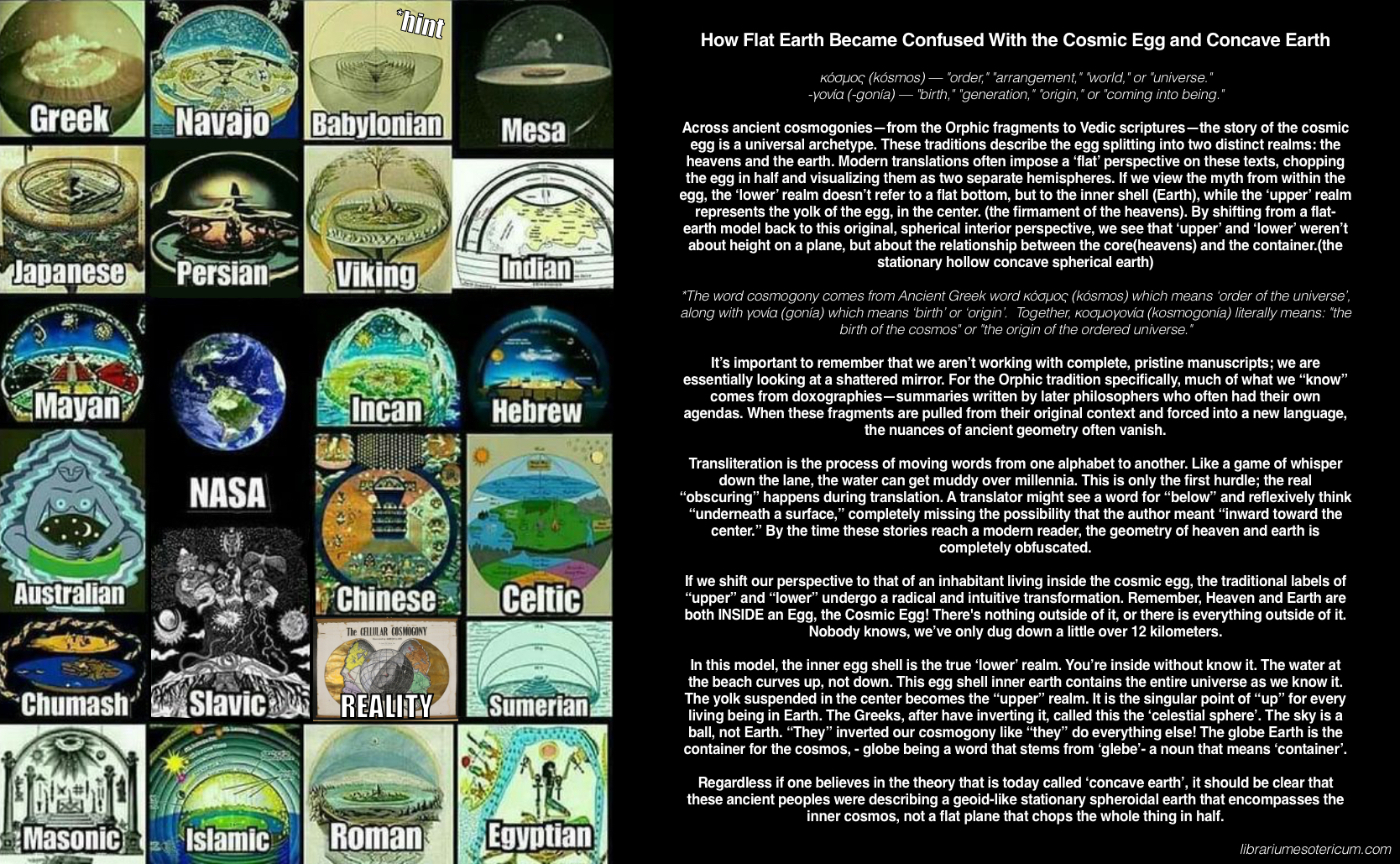
Across ancient cosmogonies—from the Orphic fragments to Vedic scriptures—the story of the cosmic egg is a universal archetype.
These traditions describe the egg splitting into two distinct realms: the heavens and the earth. Modern translations often impose a ‘flat’ perspective on these texts, chopping the egg in half and visualizing them as two separate hemispheres. If we view the myth from within the egg, the ‘lower’ realm doesn’t refer to a flat bottom, but to the inner shell (Earth), while the ‘upper’ realm represents the yolk of the egg, in the center. (the firmament of the heavens). By shifting from a flat-earth model back to this original, spherical interior perspective, we see that ‘upper’ and ‘lower’ weren’t about height on a plane, but about the relationship between the core(heavens) and the container.(the stationary hollow concave spherical earth)
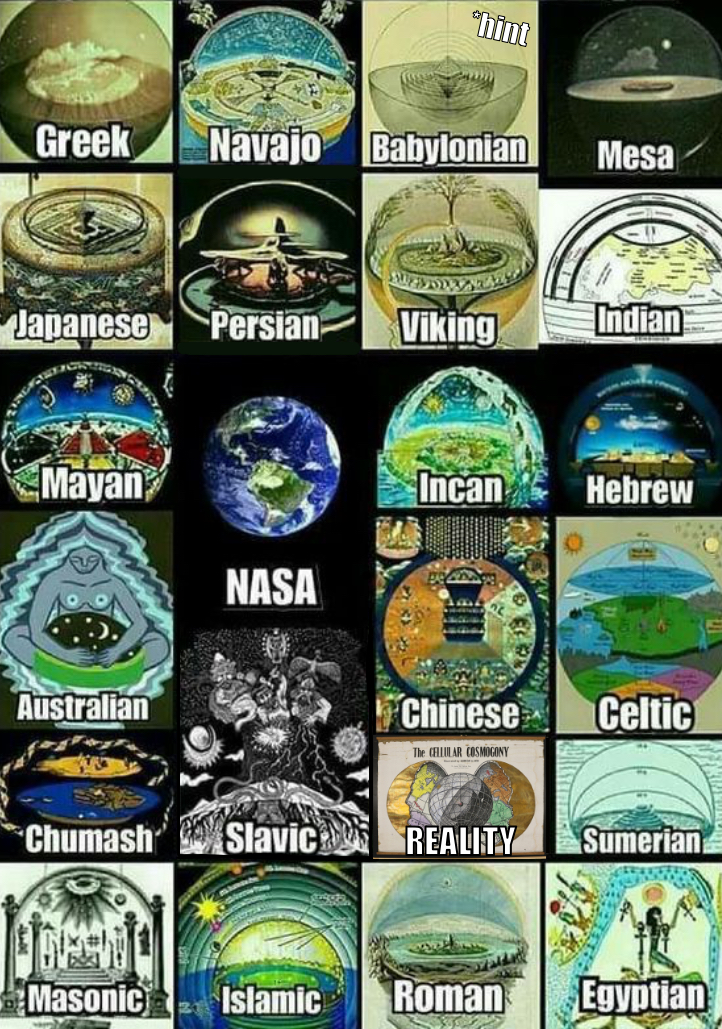
The word cosmogony comes from Ancient Greek word κόσμος (kósmos) which means ‘order of the universe’, along with γονία (gonía) which means ‘birth’ or ‘origin’. Together, κοσμογονία (kosmogonía) literally means: "the birth of the cosmos" or "the origin of the ordered universe."
κόσμος (kósmos) — "order," "arrangement," "world," or "universe."
γονία (-gonía) — "birth," "generation," "origin," or "coming into being."
It’s important to remember that we aren’t working with complete, pristine manuscripts; we are essentially looking at a shattered mirror. For the Orphic tradition specifically, much of what we “know” comes from doxographies—summaries written by later philosophers who often had their own agendas. When these fragments are pulled from their original context and forced into a new language, the nuances of ancient geometry often vanish.
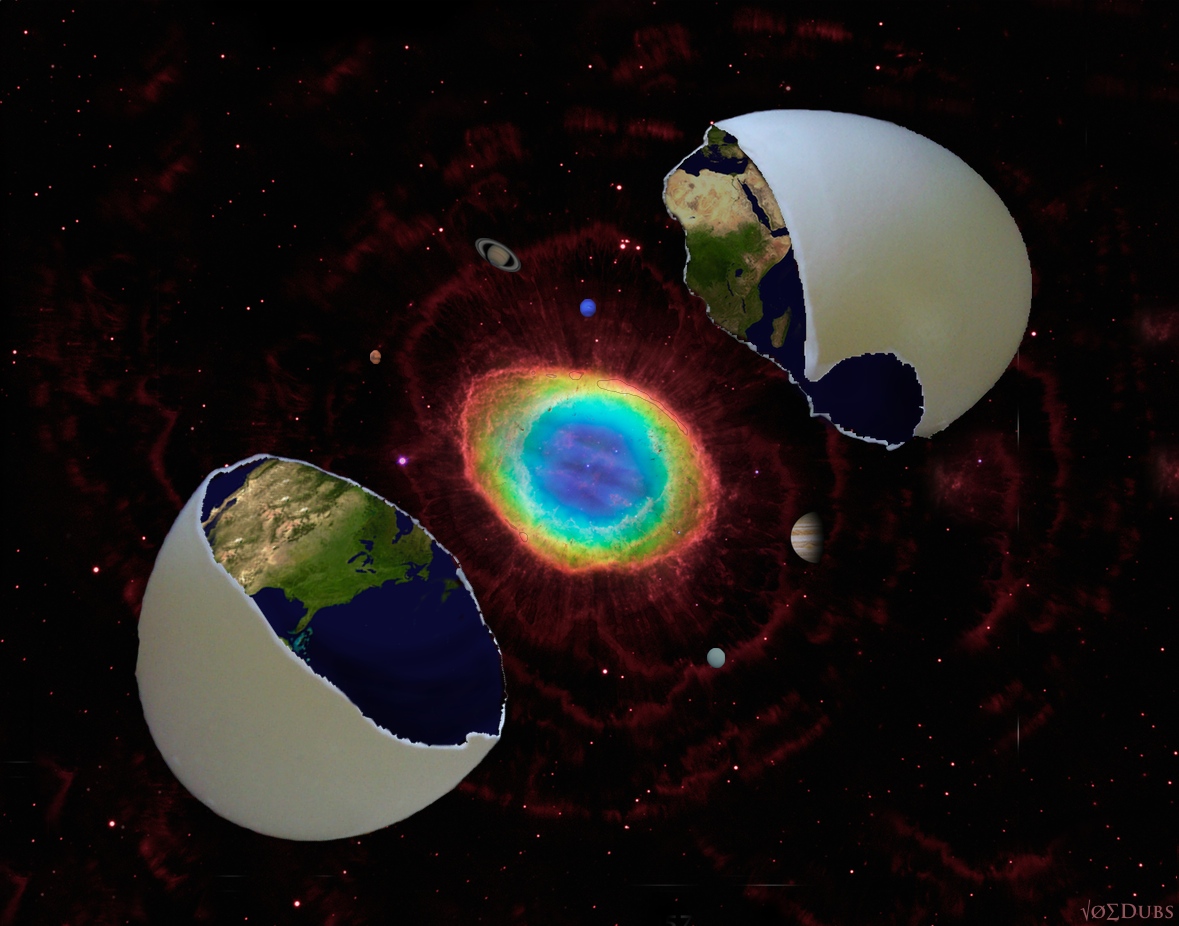
Transliteration is the process of moving words from one alphabet to another. Like a game of whisper down the lane, the water can get muddy over millennia. This is only the first hurdle; the real “obscuring” happens during translation. A translator might see a word for “below” and reflexively think “underneath a surface,” completely missing the possibility that the author meant “inward toward the center.” By the time these stories reach a modern reader, the geometry of heaven and earth is completely obfuscated.
If we shift our perspective to that of an inhabitant living inside the cosmic egg, the traditional labels of “upper” and “lower” undergo a radical and intuitive transformation.
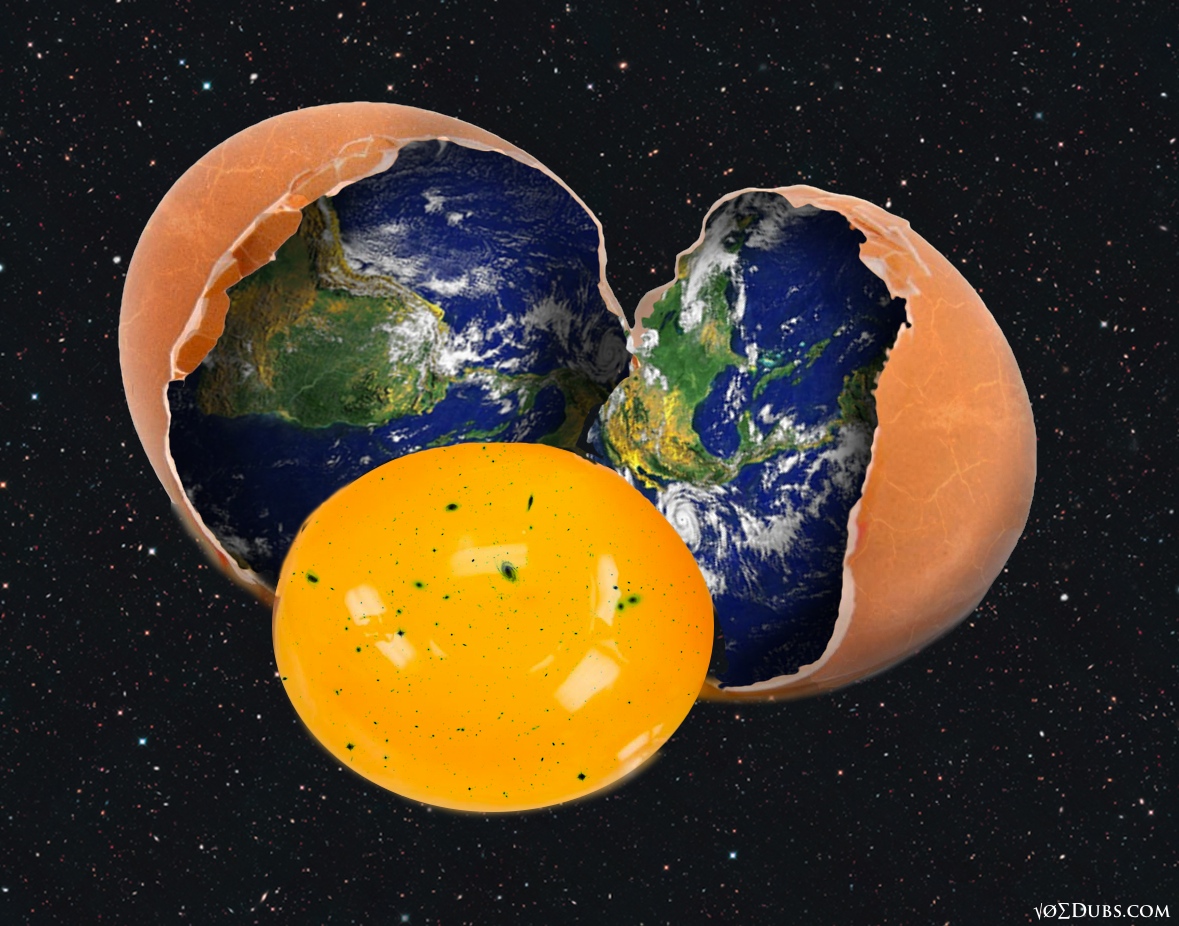
In this model, the inner egg shell is the true ‘lower’ realm. Mother Earth contains inside her the entire universe as we know it. The yolk suspended in the center becomes the “upper” realm. It is the singular point of “up” for every living being in Earth.
Regardless if one believes in the theory that is today called ‘concave earth’, it should be clear that these ancient peoples were describing a geoid-like stationary spheroidal realm that encloses the inner cosmos, not a flat plane that unintuitively chops the whole egg in half.